
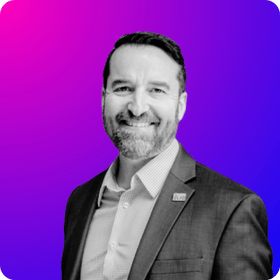
Advocating for the life sciences industry in Ontario is as complicated and as nuanced as it sounds. In this episode Jason explains the mission, priorities and successes of an industry association that represents over 250 incredibly diverse members. Having led LSO for 13 years, stewarding its amazing growth, Jason is in a perfect position to both look back on where LSO has been and gaze forward to give us a glimpse into where it’s going.
This episode was brought to you, in part, by Metrix. Metrix helps clients make behaviour change happen. We appreciate their support and encourage you to learn more at metrixgroup.com
Our producer is Darryl Webster with Chess Originals.
[00:00:01] [SPEAKER_00]: These are companies that are based in really great science, can rapidly grow and absolutely
[00:00:06] [SPEAKER_00]: be transformational to the economies in which they reside.
[00:00:12] [SPEAKER_01]: Welcome to episode 6 of the PharmaBrands Podcast where we tackle the question that everyone
[00:00:17] [SPEAKER_01]: in the industry is asking, where on earth did the summer go?
[00:00:21] [SPEAKER_01]: Okay, that's not true at all.
[00:00:23] [SPEAKER_01]: In fact, today I'm talking to Jason Field, President and CEO at Life Sciences Ontario
[00:00:28] [SPEAKER_01]: about both Pella So as an organization and about the industry as a whole.
[00:00:33] [SPEAKER_01]: Jason made my job as the host of this show incredibly easy, in part because he's so articulate
[00:00:39] [SPEAKER_01]: and in part because at times he posed even better questions than I would have.
[00:00:44] [SPEAKER_01]: Here's the episode.
[00:00:48] [SPEAKER_01]: Jason, thanks for joining us today.
[00:00:49] [SPEAKER_01]: It's a pleasure to be here.
[00:00:50] [SPEAKER_01]: I'm excited to chat admittedly.
[00:00:53] [SPEAKER_01]: I probably know a little bit about the world in which you sort of work and play, but
[00:00:59] [SPEAKER_01]: not a lot.
[00:01:00] [SPEAKER_01]: So if the listeners are going to be learning something, I'm going to be learning along
[00:01:04] [SPEAKER_01]: with them.
[00:01:04] [SPEAKER_01]: So maybe give us the elevator pitch of what is Life Sciences Ontario and are you okay
[00:01:10] [SPEAKER_01]: if I just call it LSO?
[00:01:11] [SPEAKER_00]: Absolutely.
[00:01:12] [SPEAKER_00]: LSO is fine.
[00:01:13] [SPEAKER_00]: I mean, sometimes we get confused with the London Symphony Orchestra or the Law
[00:01:18] [SPEAKER_00]: Society of Ontario.
[00:01:19] [SPEAKER_00]: But as long as the listeners know that it's Life Sciences Ontario that we're
[00:01:23] [SPEAKER_00]: referring to with LSO is perfectly acceptable.
[00:01:26] [SPEAKER_00]: Life Science Ontario, we are a fully member funded not-for-profit industry association.
[00:01:33] [SPEAKER_00]: And I say that very carefully because when people hear Ontario in the name, they usually
[00:01:36] [SPEAKER_00]: think we're a government funded organization.
[00:01:38] [SPEAKER_00]: We don't actually have any government support whatsoever.
[00:01:42] [SPEAKER_00]: We're fully funded through our members.
[00:01:45] [SPEAKER_00]: Our members are really a diverse group of stakeholders across the Life Sciences
[00:01:49] [SPEAKER_00]: sector here in Ontario.
[00:01:51] [SPEAKER_00]: They are companies big and small.
[00:01:54] [SPEAKER_00]: They are service providers, even academic institutes and students.
[00:01:59] [SPEAKER_00]: So it really is more than just an industry association.
[00:02:02] [SPEAKER_00]: It's actually an organization that represents the entire community and
[00:02:06] [SPEAKER_00]: ecosystem of Life Sciences here in the province of Ontario.
[00:02:10] [SPEAKER_00]: We've been around since 1989.
[00:02:13] [SPEAKER_00]: And our primary function is advocacy for policies that support the
[00:02:19] [SPEAKER_00]: commercial growth of our industry and our sector.
[00:02:22] [SPEAKER_00]: We advocate both federally and provincially.
[00:02:26] [SPEAKER_00]: So we are registered lobbyists in Canada and in Ontario.
[00:02:30] [SPEAKER_00]: But we also host a number of events, networking events to bring the community together.
[00:02:36] [SPEAKER_00]: We also run a number of programs to support businesses within the Life Sciences sector.
[00:02:42] [SPEAKER_00]: We also run scholarship programs and mentorship programs.
[00:02:46] [SPEAKER_00]: So we are a very small but mighty team doing lots of things within the Life Sciences
[00:02:51] [SPEAKER_00]: community here in Ontario.
[00:02:53] [SPEAKER_01]: Maybe a small team, but quite a sizable membership base.
[00:02:57] [SPEAKER_01]: And I know that you get a ton of folks out for some of those networking events.
[00:03:02] [SPEAKER_01]: Give me a sense of kind of membership size and how big?
[00:03:07] [SPEAKER_00]: Sure.
[00:03:07] [SPEAKER_00]: So I think one thing that I should mention before I describe for the size
[00:03:13] [SPEAKER_00]: of the organization is how we define Life Sciences.
[00:03:16] [SPEAKER_00]: Because I think people immediately think of Life Sciences just as,
[00:03:19] [SPEAKER_00]: you know, the pharmaceutical sector or the medical device sector.
[00:03:24] [SPEAKER_00]: And it is both of those things, but it's also agri-food biotechnology.
[00:03:30] [SPEAKER_00]: It's also industrial biotechnology as well.
[00:03:33] [SPEAKER_00]: And those often get overlooked.
[00:03:34] [SPEAKER_00]: So when you look at the diversity and size of our membership,
[00:03:38] [SPEAKER_00]: you have to be thinking that it encompasses all of those areas as well.
[00:03:41] [SPEAKER_00]: We have about 250 corporate members.
[00:03:45] [SPEAKER_00]: And so it is again, it's a fairly sizable organization.
[00:03:49] [SPEAKER_00]: And when we run events, we usually get, you know, hundreds of stakeholders
[00:03:53] [SPEAKER_00]: out to our events, our biggest event of the year happens in May.
[00:03:57] [SPEAKER_00]: It's our annual awards gala.
[00:03:59] [SPEAKER_00]: And last year we exceeded 600 people at that event, senior leaders
[00:04:04] [SPEAKER_00]: within the Life Sciences community.
[00:04:07] [SPEAKER_01]: One of the things that struck me when we first chatted is
[00:04:11] [SPEAKER_01]: and maybe I'm wrong, but I have to imagine like how many competing
[00:04:17] [SPEAKER_01]: priorities there must be amongst 250 corporate members spread
[00:04:23] [SPEAKER_01]: across, you know, a broad definition of Life Sciences.
[00:04:27] [SPEAKER_01]: Am I wrong to think that that folks are coming in with a whole bunch
[00:04:32] [SPEAKER_01]: of different priorities and one of your challenges is to try to find that
[00:04:35] [SPEAKER_01]: that, you know, the middle of a whole bunch of Venn diagrams to choose
[00:04:39] [SPEAKER_01]: what LSO focuses on? No, you're not wrong at all, Neil.
[00:04:43] [SPEAKER_00]: In fact, it's a very astute observation.
[00:04:46] [SPEAKER_00]: It is definitely the biggest challenge as a leader of this
[00:04:51] [SPEAKER_00]: organization that I face on a day to day basis is balancing the priorities
[00:04:55] [SPEAKER_00]: that we focus on, given the diversity in our membership.
[00:04:59] [SPEAKER_00]: But what it comes down to is that when you actually look at these
[00:05:03] [SPEAKER_00]: diverse verticals within our ecosystem, there are areas of commonality
[00:05:09] [SPEAKER_00]: and sometimes there's more in common than there are differences.
[00:05:12] [SPEAKER_00]: And I think LSO is uniquely positioned as an organization.
[00:05:16] [SPEAKER_00]: There are other associations out there that we work very closely with.
[00:05:20] [SPEAKER_00]: So I think about organizations like Innovative Medicines Canada, right?
[00:05:24] [SPEAKER_00]: They're the National Association that represents the pharmaceutical industry.
[00:05:27] [SPEAKER_00]: There's MedTech Canada that represents the MedTech device community.
[00:05:32] [SPEAKER_00]: There's CropLife Canada on the agricultural side.
[00:05:35] [SPEAKER_00]: And we work with all of these organizations collaboratively.
[00:05:39] [SPEAKER_00]: Those individual organizations, you know, they do their own advocacy
[00:05:44] [SPEAKER_00]: on behalf of their members and their individual verticals.
[00:05:48] [SPEAKER_00]: And I think the power of LSO in the diversity that we have
[00:05:53] [SPEAKER_00]: is we can bring a different perspective that's very credible to our advocacy
[00:05:58] [SPEAKER_00]: in that we're not necessarily seen as a special interest group.
[00:06:01] [SPEAKER_00]: So for example, you know, a few years back there was a major policy
[00:06:05] [SPEAKER_00]: issue with something called the PMPRB, the Patented Medicine, Pricing Review Board.
[00:06:10] [SPEAKER_00]: And what we saw in the way that policy was developing was
[00:06:15] [SPEAKER_00]: that there would be ripple effects beyond the pharmaceutical industry
[00:06:19] [SPEAKER_00]: and the role that the pharmaceutical industry plays as sort of anchor companies
[00:06:23] [SPEAKER_00]: within our overall life sciences ecosystem.
[00:06:26] [SPEAKER_00]: So we were very active on that file and bringing a very different perspective
[00:06:31] [SPEAKER_00]: of it's not just about, you know, the pharma sector trying to sell drugs
[00:06:35] [SPEAKER_00]: into the market, but rather how is this going to impact our overall
[00:06:39] [SPEAKER_00]: innovation ecosystem in Canada?
[00:06:41] [SPEAKER_00]: So it was a very different perspective.
[00:06:43] [SPEAKER_00]: So that's sort of the value that we bring when we're talking about advocacy
[00:06:47] [SPEAKER_00]: and the approach and perspective that we bring.
[00:06:51] [SPEAKER_01]: And on the advocacy side, I must imagine it's a bit of a combination
[00:06:54] [SPEAKER_01]: of playing kind of offense and defense, right?
[00:06:57] [SPEAKER_01]: So you've got a PMPRB that starts to take some shape.
[00:07:00] [SPEAKER_01]: You're going to come in with a point of view on that that represents the industry.
[00:07:04] [SPEAKER_01]: But I also imagine you must be helping to define the agenda
[00:07:09] [SPEAKER_01]: on the policy side at some point where there's policy that might have
[00:07:14] [SPEAKER_01]: your fingerprints on it before it even really starts to take shape, right?
[00:07:18] [SPEAKER_01]: There's a combination of the two, I imagine.
[00:07:21] [SPEAKER_00]: Yeah, absolutely.
[00:07:22] [SPEAKER_00]: And actually, I think that is very much, I would say,
[00:07:26] [SPEAKER_00]: you know, if there was a silver lining to the global pandemic,
[00:07:30] [SPEAKER_00]: you know, for our sector, I would say that the shift in that focus
[00:07:35] [SPEAKER_00]: from from defense to offense is really what stands out to me.
[00:07:40] [SPEAKER_00]: So I think prior to the pandemic,
[00:07:43] [SPEAKER_00]: you know, I think governments at all levels kind of saw our industry as,
[00:07:49] [SPEAKER_00]: you know, we're an important industry, but, you know, we're complex,
[00:07:52] [SPEAKER_00]: we're hard to understand things like traditional manufacturing sectors.
[00:07:57] [SPEAKER_00]: They're kind of easier, they're more economic policies are focused around them.
[00:08:01] [SPEAKER_00]: And, you know, we were kind of pushed to the side a little bit.
[00:08:04] [SPEAKER_00]: I think, you know, we will deal with life sciences further down the line.
[00:08:07] [SPEAKER_00]: They're more of an industry of the future.
[00:08:09] [SPEAKER_00]: And then when the global pandemic hit, I think collectively,
[00:08:12] [SPEAKER_00]: governments looked around and said, we're not as well positioned
[00:08:16] [SPEAKER_00]: in life sciences as we thought we were or that we should be
[00:08:20] [SPEAKER_00]: as a wealthy nation, one that has such strengths
[00:08:24] [SPEAKER_00]: and in sciences that we do.
[00:08:26] [SPEAKER_00]: And so I think there was a shift in mindset that we needed to do better.
[00:08:30] [SPEAKER_00]: And we saw, you know, federally, there was the bio manufacturing
[00:08:34] [SPEAKER_00]: and life sciences strategy that was announced.
[00:08:37] [SPEAKER_00]: And provincially here in Ontario, there was a life sciences strategy
[00:08:41] [SPEAKER_00]: that was also announced.
[00:08:43] [SPEAKER_00]: And a lot of the content within that those those strategies,
[00:08:48] [SPEAKER_00]: both of those strategies, I think relied heavily on many sources.
[00:08:53] [SPEAKER_00]: But some of the work that we've done over the last decade
[00:08:56] [SPEAKER_00]: certainly found its way into those strategies and influenced those strategies.
[00:09:01] [SPEAKER_00]: And now going forward, you know, we continue to be engaged
[00:09:05] [SPEAKER_00]: both at the federal level and here in the province of Ontario,
[00:09:08] [SPEAKER_00]: there's something called the Life Sciences Council
[00:09:11] [SPEAKER_00]: that the province established to help advise them on the phase
[00:09:16] [SPEAKER_00]: two of their strategy.
[00:09:18] [SPEAKER_00]: And they asked they asked me to chair that that particular council.
[00:09:22] [SPEAKER_00]: And I think the reason for that was because, again,
[00:09:26] [SPEAKER_00]: that we have such a diverse membership that we really work with everyone
[00:09:31] [SPEAKER_00]: across the ecosystem here and we're not necessarily seen as that special
[00:09:36] [SPEAKER_00]: interest group but rather as ecosystem builders.
[00:09:38] [SPEAKER_01]: I was thinking, as you as you were speaking,
[00:09:40] [SPEAKER_01]: that that the diversity of your membership almost creates a bit of a
[00:09:45] [SPEAKER_01]: like a zoom out effect to your point where it feels like you're advocating
[00:09:50] [SPEAKER_01]: for an industry as opposed to a slice of the industry,
[00:09:54] [SPEAKER_01]: which to your point, I imagine helps with the credibility
[00:09:58] [SPEAKER_01]: and maybe reduces some of the the skepticism
[00:10:01] [SPEAKER_01]: as you're talking to the folks who are creating that policy
[00:10:04] [SPEAKER_01]: or talking to other folks in the industry.
[00:10:06] [SPEAKER_00]: Yeah. And I think, you know, part of it, you know, as I'm
[00:10:09] [SPEAKER_00]: as I'm trying to balance these these different priorities, as you said,
[00:10:13] [SPEAKER_00]: and the different perspectives of our membership,
[00:10:16] [SPEAKER_00]: part of it is deciding where we lead and where we support.
[00:10:20] [SPEAKER_00]: Right. And you know, there are certain things that cut across
[00:10:23] [SPEAKER_00]: the different segments.
[00:10:25] [SPEAKER_00]: And, you know, ultimately my goal is to see Canada build
[00:10:29] [SPEAKER_00]: that homegrown biotech success story.
[00:10:32] [SPEAKER_00]: I think that really should be the goal of all stakeholders in this
[00:10:36] [SPEAKER_00]: industry is to see that success.
[00:10:38] [SPEAKER_00]: That means that we've got the environment right.
[00:10:40] [SPEAKER_00]: We've got the policies right to allow our companies
[00:10:42] [SPEAKER_00]: to stay, grow here, go global from here.
[00:10:46] [SPEAKER_00]: And I think it would have huge economic impact.
[00:10:50] [SPEAKER_00]: So things like access to capital, you know, adoption of innovation.
[00:10:54] [SPEAKER_00]: These are sort of broad based strokes that cut across all sectors
[00:10:59] [SPEAKER_00]: and are really important to building those successful companies
[00:11:02] [SPEAKER_00]: here in Canada, particularly here in Ontario.
[00:11:05] [SPEAKER_01]: And I have to imagine that as you are a represent a whole bunch
[00:11:08] [SPEAKER_01]: of different stakeholders, if we think about the, you know,
[00:11:11] [SPEAKER_01]: one of the priorities is homegrown biotech success.
[00:11:14] [SPEAKER_01]: And you mentioned, you know, access to capital and you mentioned
[00:11:16] [SPEAKER_01]: other factors that are going to drive that as you turn from,
[00:11:20] [SPEAKER_01]: you know, your members out to the folks that you're engaging with
[00:11:24] [SPEAKER_01]: to either reduce some of those barriers or provide accelerants
[00:11:28] [SPEAKER_01]: to biotech success, you must also be looking at different
[00:11:33] [SPEAKER_01]: stakeholders because access to capital may be a whole different
[00:11:37] [SPEAKER_01]: stakeholder set than changing certain government policies.
[00:11:40] [SPEAKER_01]: So there's a multi-dimensional piece on both sides, I imagine.
[00:11:43] [SPEAKER_01]: And so you need to be connected to a whole bunch of stakeholders
[00:11:48] [SPEAKER_01]: to be advancing those individual priorities.
[00:11:51] [SPEAKER_01]: One priority might be just a whole range of folks that you need to speak with.
[00:11:55] [SPEAKER_00]: Yeah, 100 percent.
[00:11:56] [SPEAKER_00]: I mean, we again, the strength of LSO is the fact that
[00:12:02] [SPEAKER_00]: we are broad based and I always say, you know, the best advocacy
[00:12:05] [SPEAKER_00]: isn't you advocating for yourself.
[00:12:08] [SPEAKER_00]: It's when others advocate on your behalf.
[00:12:10] [SPEAKER_00]: That's when you really start to see real impact.
[00:12:14] [SPEAKER_00]: And that's again, the strength of LSO and the role we play in the ecosystem.
[00:12:19] [SPEAKER_00]: But I think, you know, it's also to our benefit to, as you said,
[00:12:24] [SPEAKER_00]: engage those other stakeholders.
[00:12:26] [SPEAKER_00]: So, you know, on the access to capital front, for example,
[00:12:30] [SPEAKER_00]: you know, we do engage with the investment community
[00:12:33] [SPEAKER_00]: with VCs and angel organizations.
[00:12:37] [SPEAKER_00]: Similarly, you know, when we're talking about health policy,
[00:12:39] [SPEAKER_00]: it's absolutely critical that we're actually talking to patient advocates, right?
[00:12:44] [SPEAKER_00]: They have such an important and critical voice.
[00:12:47] [SPEAKER_00]: And they so often get overlooked and discussions are happening around
[00:12:53] [SPEAKER_00]: health policy.
[00:12:54] [SPEAKER_00]: And at the end of the day, it's the patients that we're trying
[00:12:57] [SPEAKER_00]: to serve from a health policy perspective.
[00:13:00] [SPEAKER_00]: So having their voice, their opinion, their views is absolutely critical
[00:13:05] [SPEAKER_00]: to have credibility in policy development.
[00:13:09] [SPEAKER_00]: So, yeah, it's really important for us to be working very broadly
[00:13:13] [SPEAKER_00]: with many different stakeholders.
[00:13:14] [SPEAKER_00]: And to be honest, that's probably the best part of this job
[00:13:19] [SPEAKER_00]: that I have is meeting so many diverse individuals,
[00:13:24] [SPEAKER_00]: different perspectives and being able to interact with so many brilliant
[00:13:28] [SPEAKER_00]: leaders and thought leaders within the life sciences sector.
[00:13:33] [SPEAKER_01]: You mentioned patient advocacy groups, and I imagine that those are probably
[00:13:37] [SPEAKER_01]: moments that help you stay grounded when you're talking about big policy
[00:13:42] [SPEAKER_01]: change and you're talking about homegrown by-tech success.
[00:13:45] [SPEAKER_01]: And you're talking on the industry side of the business.
[00:13:47] [SPEAKER_01]: You know, they were talking about, you know, really big.
[00:13:49] [SPEAKER_01]: This is big business and there's lots of innovation that's happening,
[00:13:52] [SPEAKER_01]: but it all does boil down to in many respects, how does this impact
[00:13:57] [SPEAKER_01]: an individual?
[00:13:58] [SPEAKER_01]: So I have to imagine that those interactions with the patient advocacy
[00:14:02] [SPEAKER_01]: groups really helps to ground the work that you're doing in kind of real
[00:14:07] [SPEAKER_01]: world impact at a human level and not just a business level.
[00:14:11] [SPEAKER_00]: Yeah, absolutely.
[00:14:12] [SPEAKER_00]: I mean, it's there's a lot within the life sciences sector,
[00:14:17] [SPEAKER_00]: I would say that keeps me well grounded.
[00:14:19] [SPEAKER_01]: It is probably keeps you awake at night on occasion.
[00:14:23] [SPEAKER_00]: Oh, definitely.
[00:14:25] [SPEAKER_00]: It's such a complex industry.
[00:14:27] [SPEAKER_00]: And you know, even when you get into the technical innovations that are
[00:14:30] [SPEAKER_00]: happening that are really, really exciting, they are complex and they
[00:14:34] [SPEAKER_00]: come with a lot of complex, you know, regulatory challenges around them too.
[00:14:38] [SPEAKER_00]: So kind of staying connected with some really, really brilliant, smart
[00:14:42] [SPEAKER_00]: people to be able to get sound advice from them.
[00:14:47] [SPEAKER_00]: They're people, patient advocates that have been doing this for decades
[00:14:51] [SPEAKER_00]: and they know where, you know, some of the challenges are ingrained,
[00:14:56] [SPEAKER_00]: the systemic issues.
[00:14:57] [SPEAKER_00]: We've done a lot of work as well on what we call idea, inclusion,
[00:15:02] [SPEAKER_00]: diversity, equity and accessibility.
[00:15:03] [SPEAKER_00]: And I think health equity is a really important aspect of that,
[00:15:07] [SPEAKER_00]: even beyond just the diversity and inclusion piece.
[00:15:11] [SPEAKER_00]: But all of that work again was very, very humbling because I
[00:15:15] [SPEAKER_00]: think the more you engage diverse communities, diverse
[00:15:20] [SPEAKER_00]: stakeholders, I think the more you learn how much you didn't know or
[00:15:24] [SPEAKER_00]: didn't understand or how wrong you might have been in certain views
[00:15:29] [SPEAKER_00]: and perspectives.
[00:15:30] [SPEAKER_00]: And so that continued education and growth, as I said, is probably
[00:15:34] [SPEAKER_00]: the most rewarding part of this job.
[00:15:38] [SPEAKER_01]: I'm struck with the irony of how glacial advocacy work can be
[00:15:45] [SPEAKER_01]: sometimes versus how quickly innovation can happen.
[00:15:50] [SPEAKER_01]: And I think about it on the AI side of things, right?
[00:15:53] [SPEAKER_01]: There's lots of the government is setting up lots of sort of councils
[00:15:56] [SPEAKER_01]: to think about how do you regulate and talk about and control,
[00:16:00] [SPEAKER_01]: you know, box in AI in certain ways.
[00:16:03] [SPEAKER_01]: And yet the AI industry is just sort of barreling forward
[00:16:05] [SPEAKER_01]: while these meetings are taking place.
[00:16:08] [SPEAKER_01]: How do you sort of balance those two off?
[00:16:10] [SPEAKER_01]: Like is there a point at which you're doing some advocacy work
[00:16:14] [SPEAKER_01]: on something and it just feels like the pace of innovation is
[00:16:17] [SPEAKER_01]: just so far outstripping how quickly regulators can get their
[00:16:22] [SPEAKER_01]: heads around it.
[00:16:23] [SPEAKER_01]: That must feel like a bit of a delicate balance for you.
[00:16:27] [SPEAKER_00]: It is.
[00:16:28] [SPEAKER_00]: And I was chuckling there because it reminded me,
[00:16:32] [SPEAKER_00]: you know, years ago, somebody asked me because I'm originally
[00:16:36] [SPEAKER_00]: a chemist by training and I was a research chemist in the
[00:16:41] [SPEAKER_00]: pharmaceutical industry at the beginning of my career.
[00:16:45] [SPEAKER_00]: And, you know, somebody asked me because I then transitioned into
[00:16:47] [SPEAKER_00]: government and worked in government said, how could you move
[00:16:50] [SPEAKER_00]: from research chemist to like a policy advisor in government?
[00:16:56] [SPEAKER_00]: That just seems like a big leap.
[00:16:58] [SPEAKER_00]: And I said, no, actually there's they have a lot in common.
[00:17:00] [SPEAKER_00]: You know, most of what you do fails in both research
[00:17:04] [SPEAKER_00]: and policy development.
[00:17:05] [SPEAKER_00]: And when you do succeed, you can impact many lives
[00:17:09] [SPEAKER_00]: and it's very rewarding.
[00:17:10] [SPEAKER_00]: But I think that that comparison has changed to your point
[00:17:15] [SPEAKER_00]: because technology is advancing exponentially.
[00:17:19] [SPEAKER_00]: That said, there is room for innovation on the policy front
[00:17:23] [SPEAKER_00]: and there are innovators in policy.
[00:17:26] [SPEAKER_00]: I think we just need to see more of that happening.
[00:17:29] [SPEAKER_00]: You know, a good example is, you know, during the pandemic,
[00:17:33] [SPEAKER_00]: what we saw in terms of policy innovation was unlike anything
[00:17:37] [SPEAKER_00]: that we have seen or I have seen before in this country.
[00:17:42] [SPEAKER_00]: The accelerated innovation from a technical aspect
[00:17:45] [SPEAKER_00]: of developing the mRNA vaccines, the innovation
[00:17:50] [SPEAKER_00]: in streamlining regulatory approvals while not sacrificing
[00:17:55] [SPEAKER_00]: safety efficacy standards, you know, doing things in parallel.
[00:18:01] [SPEAKER_00]: It was just, you know, we had never seen anything like it
[00:18:05] [SPEAKER_00]: and it shows that innovation can happen at all levels,
[00:18:08] [SPEAKER_00]: both from the scientific side as well as the policy side.
[00:18:11] [SPEAKER_00]: So I think we just need to take those learnings
[00:18:14] [SPEAKER_00]: and understand that we need to continue to innovate
[00:18:16] [SPEAKER_00]: not just from a technical scientific perspective,
[00:18:19] [SPEAKER_00]: but also from a policy and regulatory perspective as well.
[00:18:23] [SPEAKER_01]: And have you seen some of that change
[00:18:28] [SPEAKER_01]: that happened during the pandemic, which was, you know,
[00:18:31] [SPEAKER_01]: changed, forced by absolutely extraordinary conditions?
[00:18:37] [SPEAKER_01]: Once those extraordinary conditions went away,
[00:18:40] [SPEAKER_01]: did some of that nimbleness and being open
[00:18:44] [SPEAKER_01]: to do things a little bit differently on the policy side go with it?
[00:18:47] [SPEAKER_01]: Or has that kind of remained?
[00:18:50] [SPEAKER_01]: Was it an enduring change, either
[00:18:52] [SPEAKER_01]: attitudinally or structurally that came out of the pandemic?
[00:18:56] [SPEAKER_00]: Yeah, it's a great question, Neil.
[00:18:58] [SPEAKER_00]: I mean, look, I think you're absolutely right
[00:19:02] [SPEAKER_00]: that they were extraordinary conditions
[00:19:05] [SPEAKER_00]: and they required extraordinary response.
[00:19:08] [SPEAKER_00]: And so, you know, we're not seeing the sorts of all hands on deck
[00:19:13] [SPEAKER_00]: approach for every innovation that we saw during the pandemic.
[00:19:17] [SPEAKER_00]: That's just not sustainable.
[00:19:18] [SPEAKER_00]: And I don't think it's realistic.
[00:19:20] [SPEAKER_00]: It's easy to, you know, when you're throwing
[00:19:22] [SPEAKER_00]: all of your resources from a regulatory standpoint
[00:19:26] [SPEAKER_00]: at one sort of specific goal, obviously,
[00:19:30] [SPEAKER_00]: that's a very different environment.
[00:19:32] [SPEAKER_00]: But what I will say is that some of that ideology
[00:19:36] [SPEAKER_00]: of innovation has remained.
[00:19:40] [SPEAKER_00]: You can't undo it.
[00:19:41] [SPEAKER_00]: You can't unsee it, right?
[00:19:43] [SPEAKER_00]: There are people both within the industry
[00:19:46] [SPEAKER_00]: as well as the public service and regulators
[00:19:49] [SPEAKER_00]: that understand this is the art of the possible now.
[00:19:53] [SPEAKER_00]: And so how can we work collectively
[00:19:55] [SPEAKER_00]: to be more innovative in our approaches?
[00:19:59] [SPEAKER_00]: And I think it's opened the door for those discussions.
[00:20:01] [SPEAKER_00]: And I've seen conversations happening
[00:20:04] [SPEAKER_00]: that probably wouldn't have happened pre-pandemic
[00:20:07] [SPEAKER_00]: around, you know, innovation and regulation of policy development.
[00:20:11] [SPEAKER_01]: We'll be right back.
[00:20:14] [SPEAKER_01]: Today's episode of the Pharma Brands Podcast
[00:20:17] [SPEAKER_01]: is brought to you in part by Metrix.
[00:20:19] [SPEAKER_01]: Metrix is a Canadian agency
[00:20:21] [SPEAKER_01]: that helps life science companies across North America
[00:20:24] [SPEAKER_01]: market their products, support their patients
[00:20:26] [SPEAKER_01]: and train their employees
[00:20:28] [SPEAKER_01]: with a unique 360 degree perspective
[00:20:30] [SPEAKER_01]: that connects brand strategy with field execution
[00:20:33] [SPEAKER_01]: and builds on decades of experience.
[00:20:36] [SPEAKER_01]: Metrix delivers amazing impact.
[00:20:38] [SPEAKER_01]: In short, they help clients make behavior change happen.
[00:20:42] [SPEAKER_01]: If you're seeking greater impact from your sales
[00:20:44] [SPEAKER_01]: and marketing teams, it's time to call Metrix.
[00:20:47] [SPEAKER_01]: Learn more at Metrixgroup.com.
[00:20:49] [SPEAKER_01]: That's M-E-T-R-I-X Group.com.
[00:20:53] [SPEAKER_01]: Now back to the show.
[00:20:57] [SPEAKER_01]: I want to go back to the question that your friend had asked you
[00:21:00] [SPEAKER_01]: and maybe get a bit more specificity.
[00:21:03] [SPEAKER_01]: How does one go from being a research chemist
[00:21:05] [SPEAKER_01]: to in government and policy?
[00:21:08] [SPEAKER_01]: You know, were you thinking about a career change?
[00:21:10] [SPEAKER_01]: Did somebody tap you on the shoulder?
[00:21:11] [SPEAKER_01]: Appreciating this was some time ago,
[00:21:12] [SPEAKER_01]: but how does one make that job?
[00:21:15] [SPEAKER_00]: You know, I actually get asked to do
[00:21:17] [SPEAKER_00]: a lot of panels around career development.
[00:21:21] [SPEAKER_00]: And I talked to a lot of young people
[00:21:22] [SPEAKER_00]: that are sort of at the beginning of their careers
[00:21:25] [SPEAKER_00]: and aspiring to build careers in life sciences.
[00:21:29] [SPEAKER_00]: And they ask me this question quite often.
[00:21:31] [SPEAKER_00]: And I think it's a combination of things.
[00:21:34] [SPEAKER_00]: I mean, some of it is serendipity.
[00:21:38] [SPEAKER_00]: You know, I was at this stage early in my career
[00:21:41] [SPEAKER_00]: as a research chemist where I was starting to transition
[00:21:45] [SPEAKER_00]: from what was driving me and what was motivating me.
[00:21:49] [SPEAKER_00]: So at the beginning of my career, it was very much the science.
[00:21:53] [SPEAKER_00]: And then, you know, five years in,
[00:21:56] [SPEAKER_00]: it was more the managing the people, interpersonal relationships.
[00:22:01] [SPEAKER_00]: It was managing the projects.
[00:22:04] [SPEAKER_00]: It was, you know, those aspects of the of the job that, you know,
[00:22:08] [SPEAKER_00]: I really kind of wanted to develop and hone those skills.
[00:22:12] [SPEAKER_00]: So I when I got the opportunity to join government,
[00:22:15] [SPEAKER_00]: you know, I thought it'd be something different.
[00:22:17] [SPEAKER_00]: I thought it would be interesting.
[00:22:18] [SPEAKER_00]: And I thought to be perfectly honest,
[00:22:20] [SPEAKER_00]: I thought it would pay the bills
[00:22:21] [SPEAKER_00]: while I figured out what the hell I wanted to do with my life.
[00:22:24] [SPEAKER_00]: And so I took the job.
[00:22:26] [SPEAKER_00]: And, you know, I was surprised as much as anybody
[00:22:28] [SPEAKER_00]: that I absolutely fell in love with the policy work.
[00:22:31] [SPEAKER_00]: It was really interesting.
[00:22:33] [SPEAKER_00]: I got to work with really interesting people
[00:22:35] [SPEAKER_00]: with really diverse backgrounds.
[00:22:36] [SPEAKER_00]: So it wasn't just scientists that I was interacting with.
[00:22:40] [SPEAKER_00]: These were economists and polysci majors
[00:22:43] [SPEAKER_00]: and, you know, arts majors and business people
[00:22:46] [SPEAKER_00]: and just really different interesting perspectives.
[00:22:50] [SPEAKER_00]: So I really enjoyed my time within government,
[00:22:53] [SPEAKER_00]: learning how government influences the world in which we live
[00:22:56] [SPEAKER_00]: and where we live and how we live
[00:22:58] [SPEAKER_00]: and impacts our everyday lives.
[00:23:01] [SPEAKER_00]: You know, that was very,
[00:23:02] [SPEAKER_00]: that reminded me of a lot of science
[00:23:04] [SPEAKER_00]: because I look around, I see science everywhere.
[00:23:06] [SPEAKER_00]: I look around, I see public policy
[00:23:09] [SPEAKER_00]: and its impacts, you know, all around me as well.
[00:23:12] [SPEAKER_00]: So that was really interesting for me.
[00:23:16] [SPEAKER_00]: And then transitioning, I worked in government
[00:23:19] [SPEAKER_00]: for about five years before I joined LSO.
[00:23:22] [SPEAKER_00]: And that was 13 or 14 years ago now.
[00:23:26] [SPEAKER_00]: And the reason why I left government,
[00:23:28] [SPEAKER_00]: and I get this question a lot as well too, you know,
[00:23:31] [SPEAKER_00]: I had this great government job.
[00:23:33] [SPEAKER_00]: I was being groomed for leadership roles.
[00:23:36] [SPEAKER_00]: You know, you had this great government pension,
[00:23:39] [SPEAKER_00]: you know, all this good stuff going for you.
[00:23:40] [SPEAKER_00]: And they left it to join, you know,
[00:23:42] [SPEAKER_00]: a little not-for-profit that, you know,
[00:23:44] [SPEAKER_00]: we didn't have two nickels to rub together
[00:23:46] [SPEAKER_00]: when I joined LSO.
[00:23:48] [SPEAKER_00]: It was really challenging.
[00:23:49] [SPEAKER_00]: But for me, it was the opportunity
[00:23:52] [SPEAKER_00]: to take on a leadership role of an organization.
[00:23:55] [SPEAKER_00]: And having been in government and been in industry,
[00:23:58] [SPEAKER_00]: I saw where there was a gap, right?
[00:24:00] [SPEAKER_00]: Like I worked in government in a division
[00:24:02] [SPEAKER_00]: called Industry Division.
[00:24:03] [SPEAKER_00]: So, you know, I saw how well organized other industries
[00:24:07] [SPEAKER_00]: were like the automotive sector, like the aerospace sector.
[00:24:11] [SPEAKER_00]: And we didn't have that kind of collaboration
[00:24:15] [SPEAKER_00]: and cohesiveness in life sciences.
[00:24:17] [SPEAKER_00]: There was like little bits and pieces, you know,
[00:24:20] [SPEAKER_00]: we were very fragmented.
[00:24:21] [SPEAKER_00]: So I thought that there was a real opportunity
[00:24:23] [SPEAKER_00]: to take on a leadership role,
[00:24:26] [SPEAKER_00]: to bring my knowledge and insights
[00:24:28] [SPEAKER_00]: and hopefully build bridges across these
[00:24:32] [SPEAKER_00]: different communities within life sciences.
[00:24:35] [SPEAKER_00]: And that's exactly what we did at LSO.
[00:24:39] [SPEAKER_00]: And it's been incredibly rewarding.
[00:24:41] [SPEAKER_00]: It wasn't without risk, you know, every time,
[00:24:44] [SPEAKER_00]: like when I left the lab and joined government,
[00:24:47] [SPEAKER_00]: I took a pay cut.
[00:24:48] [SPEAKER_00]: But I did it because it was what interested me.
[00:24:53] [SPEAKER_00]: I thought, you know, it was what would make me happy.
[00:24:56] [SPEAKER_00]: It's what I wanted to develop professionally.
[00:24:58] [SPEAKER_00]: And similarly, when I left government, you know,
[00:25:01] [SPEAKER_00]: I took a pay cut to come to LSO
[00:25:02] [SPEAKER_00]: and gave up the pension.
[00:25:04] [SPEAKER_00]: So financially, it probably wasn't the best decision.
[00:25:07] [SPEAKER_00]: But from a professional standpoint, you know,
[00:25:10] [SPEAKER_00]: I don't regret it at all.
[00:25:11] [SPEAKER_00]: You know, what the role that I've been able to take on
[00:25:15] [SPEAKER_00]: at LSO, the interaction that I've had with people,
[00:25:18] [SPEAKER_00]: you know, growing the organization over time,
[00:25:20] [SPEAKER_00]: it's been incredibly rewarding.
[00:25:22] [SPEAKER_01]: Well, it's been 13 years.
[00:25:23] [SPEAKER_01]: So I surely hope you don't regret it.
[00:25:25] [SPEAKER_01]: What was the LSO of 13 years ago like?
[00:25:31] [SPEAKER_01]: I won't have you do a year by year kind of evolution.
[00:25:35] [SPEAKER_01]: But what was it like back then?
[00:25:38] [SPEAKER_01]: And, you know, were there some major milestones along the way?
[00:25:41] [SPEAKER_00]: Definitely, definitely.
[00:25:43] [SPEAKER_00]: So I think back when I joined LSO, we were...
[00:25:48] [SPEAKER_00]: So I was the first full-time employee hired at LSO.
[00:25:53] [SPEAKER_00]: The way the organization was run was it was a volunteer board,
[00:25:58] [SPEAKER_00]: but the board was very operational.
[00:25:59] [SPEAKER_00]: So they were very hands-on.
[00:26:02] [SPEAKER_00]: You know, they would chair committees,
[00:26:03] [SPEAKER_00]: they would organize events.
[00:26:05] [SPEAKER_00]: We had an association management firm that helped us run events,
[00:26:10] [SPEAKER_00]: helped us do bookkeeping, answered the phones,
[00:26:13] [SPEAKER_00]: that sort of thing.
[00:26:14] [SPEAKER_00]: So when I was hired, I was essentially a team of one.
[00:26:18] [SPEAKER_00]: And I was brought in, I think mainly because
[00:26:20] [SPEAKER_00]: of my government background to really bolster
[00:26:23] [SPEAKER_00]: the advocacy side of things and to also build up
[00:26:27] [SPEAKER_00]: the membership at LSO.
[00:26:30] [SPEAKER_00]: I think when I think about milestones,
[00:26:33] [SPEAKER_00]: I think of the first time we hired a business development
[00:26:38] [SPEAKER_00]: person to really have a sales focus for us
[00:26:41] [SPEAKER_00]: to build up our membership,
[00:26:43] [SPEAKER_00]: which we really needed in terms of bolstering,
[00:26:46] [SPEAKER_00]: you know, our finances,
[00:26:48] [SPEAKER_00]: which would allow us to do more in terms of our advocacy
[00:26:51] [SPEAKER_00]: and to hire more staff, et cetera.
[00:26:54] [SPEAKER_00]: And so that was a big milestone.
[00:26:56] [SPEAKER_00]: And then when we severed ways with our association management firm,
[00:27:00] [SPEAKER_00]: which did a fantastic job for us.
[00:27:02] [SPEAKER_00]: In fact, we hired some of their employees into LSO
[00:27:06] [SPEAKER_00]: and kind of became that standalone organization.
[00:27:08] [SPEAKER_00]: So now we have six full-time employees, two part time.
[00:27:13] [SPEAKER_00]: Our budget has grown by almost 10-fold.
[00:27:18] [SPEAKER_00]: It's been impressive growth over time.
[00:27:21] [SPEAKER_00]: And we're just able to do more
[00:27:24] [SPEAKER_00]: on behalf of the members that we serve.
[00:27:27] [SPEAKER_00]: And so that's been incredibly rewarding.
[00:27:30] [SPEAKER_01]: And when you hire that first biz dev person,
[00:27:34] [SPEAKER_01]: how was that received in the industry?
[00:27:36] [SPEAKER_01]: And again, I'm acutely aware
[00:27:39] [SPEAKER_01]: that the industry is an incredibly broad term,
[00:27:42] [SPEAKER_01]: but did you find that there was an appetite
[00:27:48] [SPEAKER_01]: for folks to join as members
[00:27:50] [SPEAKER_01]: because there just kind of wasn't that cohesive organization?
[00:27:55] [SPEAKER_01]: Was it a big sell or is that a, you know,
[00:27:58] [SPEAKER_01]: how long is a piece of strain?
[00:27:59] [SPEAKER_01]: Because there's likely organizations
[00:28:00] [SPEAKER_01]: that were quick to get to a yes and others that were slow.
[00:28:04] [SPEAKER_01]: But what was the feeling in the industry
[00:28:05] [SPEAKER_01]: as you started to go from the LSO
[00:28:08] [SPEAKER_01]: that was 13 years ago to start to build that scale?
[00:28:12] [SPEAKER_00]: Yeah, it was a tough sell, I'll be honest.
[00:28:14] [SPEAKER_00]: And I think the reason it was a tough sell
[00:28:16] [SPEAKER_00]: is going back to what I said at the beginning
[00:28:20] [SPEAKER_00]: of our conversation.
[00:28:22] [SPEAKER_00]: There are other organizations out there
[00:28:23] [SPEAKER_00]: that focus on specific segments of life sciences.
[00:28:28] [SPEAKER_00]: So going to a pharmaceutical company and saying,
[00:28:29] [SPEAKER_00]: hey, do you wanna join LSO?
[00:28:31] [SPEAKER_00]: Like why would I do that?
[00:28:33] [SPEAKER_00]: We've got Innovative Medicines Canada,
[00:28:35] [SPEAKER_00]: they represent our interests.
[00:28:36] [SPEAKER_00]: You go to a MedTech company, we got MedTech Canada.
[00:28:39] [SPEAKER_00]: Like why do we need LSO?
[00:28:41] [SPEAKER_00]: And it really wasn't until we saw
[00:28:47] [SPEAKER_00]: things like the PMPRB, which I spoke about earlier,
[00:28:51] [SPEAKER_00]: where we really demonstrated our value
[00:28:53] [SPEAKER_00]: of having that broader ecosystem perspective
[00:28:56] [SPEAKER_00]: and bringing the credibility then to
[00:28:59] [SPEAKER_00]: things that are important to these sub segments.
[00:29:03] [SPEAKER_00]: And so once we demonstrate that,
[00:29:05] [SPEAKER_00]: now I think the value proposition
[00:29:07] [SPEAKER_00]: is very easy for people to understand.
[00:29:10] [SPEAKER_00]: And don't get me wrong, there were some people
[00:29:12] [SPEAKER_00]: who were very visionary and very, you know,
[00:29:15] [SPEAKER_00]: forward thinking that got it right away.
[00:29:17] [SPEAKER_00]: And they were like, yeah, this is actually what we need
[00:29:20] [SPEAKER_00]: is this sort of collaboration and this cohesiveness
[00:29:24] [SPEAKER_00]: and they were in very early on and supporting us.
[00:29:27] [SPEAKER_00]: And we really appreciate the long time supporters of LSO.
[00:29:32] [SPEAKER_00]: But now that we demonstrated our value, you know,
[00:29:35] [SPEAKER_00]: we don't have to, there's no hard sales pitch
[00:29:38] [SPEAKER_00]: from LSO any longer, you know?
[00:29:40] [SPEAKER_00]: People know who we are, they know what we represent,
[00:29:43] [SPEAKER_00]: they know what our values are.
[00:29:45] [SPEAKER_00]: And we have a lot of organizations now approaching us
[00:29:48] [SPEAKER_00]: that wanna be a part of this community.
[00:29:51] [SPEAKER_00]: And that's really been a big difference
[00:29:53] [SPEAKER_00]: is it's no longer really chasing after new members,
[00:29:58] [SPEAKER_00]: it's almost self propagating at this point
[00:30:01] [SPEAKER_00]: with the community that we've built.
[00:30:03] [SPEAKER_01]: Well, there is an inflection point, I imagine,
[00:30:07] [SPEAKER_01]: when you hit a certain scale,
[00:30:09] [SPEAKER_01]: finding the 251st member is a very different thing
[00:30:14] [SPEAKER_01]: than finding the 16th member.
[00:30:17] [SPEAKER_01]: And I imagine the priorities now, 13 years later,
[00:30:22] [SPEAKER_01]: obviously are less about scale
[00:30:26] [SPEAKER_01]: to give you a stronger platform
[00:30:29] [SPEAKER_01]: and a more compelling voice.
[00:30:31] [SPEAKER_01]: And more about retention
[00:30:33] [SPEAKER_01]: and going back to the earlier part of our conversation,
[00:30:35] [SPEAKER_01]: how do you serve meaningfully
[00:30:37] [SPEAKER_01]: such a diverse set of stakeholders?
[00:30:40] [SPEAKER_01]: It's just, it's a different set of priorities
[00:30:42] [SPEAKER_01]: when you're at a scale that you're at now, I imagine.
[00:30:45] [SPEAKER_00]: Yeah, that's correct.
[00:30:47] [SPEAKER_00]: And when I was saying, big change for us
[00:30:52] [SPEAKER_00]: was hiring that first business development person.
[00:30:56] [SPEAKER_00]: You know, another big change for us
[00:30:57] [SPEAKER_00]: was our most recent business development person
[00:31:01] [SPEAKER_00]: was hired not just as a business development person,
[00:31:04] [SPEAKER_00]: but the title was changed to Business Development
[00:31:07] [SPEAKER_00]: and Member Engagement.
[00:31:08] [SPEAKER_00]: And we did that very specifically
[00:31:10] [SPEAKER_00]: because we understood that, you know,
[00:31:13] [SPEAKER_00]: this isn't just about sales anymore,
[00:31:15] [SPEAKER_00]: this is about, as you said, retention,
[00:31:17] [SPEAKER_00]: it's about serving our members,
[00:31:19] [SPEAKER_00]: making sure that we're continually engaging our members
[00:31:22] [SPEAKER_00]: that they're finding value
[00:31:24] [SPEAKER_00]: in being part of the LSO community.
[00:31:28] [SPEAKER_00]: And so I would say now it's,
[00:31:31] [SPEAKER_00]: the Member Engagement piece has become
[00:31:33] [SPEAKER_00]: probably a bigger priority for that particular role
[00:31:37] [SPEAKER_00]: than the business development one.
[00:31:39] [SPEAKER_01]: For sure, I have to imagine the call list
[00:31:41] [SPEAKER_01]: to make sure that you're checking in with everybody
[00:31:43] [SPEAKER_01]: and getting that, that's a very different call list
[00:31:46] [SPEAKER_01]: than it used to be.
[00:31:48] [SPEAKER_01]: Sort of, you know, planting ourselves in the today.
[00:31:51] [SPEAKER_01]: You mentioned earlier in the conversation
[00:31:53] [SPEAKER_01]: kind of homegrown by tech success really a priority.
[00:31:56] [SPEAKER_01]: You know, you mentioned probably in the last few years
[00:31:59] [SPEAKER_01]: a greater focused on diversity and inclusion.
[00:32:04] [SPEAKER_01]: What else is making up your, you know, your current dance card?
[00:32:08] [SPEAKER_01]: What's your current priority list for again,
[00:32:10] [SPEAKER_01]: such a broad set of stakeholders?
[00:32:13] [SPEAKER_00]: Yeah, it's a great question.
[00:32:16] [SPEAKER_00]: You know, it's a number of things.
[00:32:19] [SPEAKER_00]: And as I said, we try and focus on those issues
[00:32:22] [SPEAKER_00]: that will help us achieve, again,
[00:32:25] [SPEAKER_00]: that goal that we have set out in front of us,
[00:32:28] [SPEAKER_00]: which is to have the right conditions to allow,
[00:32:32] [SPEAKER_00]: you know, that homegrown success to establish here
[00:32:35] [SPEAKER_00]: in Canada, hopefully Ontario and go global from here.
[00:32:40] [SPEAKER_00]: And the reason why I think it's so important
[00:32:42] [SPEAKER_00]: is that it really will be transformational
[00:32:44] [SPEAKER_00]: for our economy in this country if we're able to do this.
[00:32:49] [SPEAKER_00]: And I'll just give you a few examples
[00:32:51] [SPEAKER_00]: before I kind of hit on the priorities.
[00:32:54] [SPEAKER_00]: But the reason why I think this is so compelling
[00:32:57] [SPEAKER_00]: is if you look at the two biggest biotech companies
[00:33:01] [SPEAKER_00]: listed on the NASDAQ right now,
[00:33:03] [SPEAKER_00]: there are Amgen and Regeneron.
[00:33:05] [SPEAKER_00]: Their combined market cap is about 308 billion US.
[00:33:10] [SPEAKER_00]: Now, if you look at the 129 companies listed
[00:33:13] [SPEAKER_00]: on the TSX, TSX-V that make up
[00:33:16] [SPEAKER_00]: the entire Canadian oil and gas sector,
[00:33:19] [SPEAKER_00]: they only come out to 312 billion US,
[00:33:23] [SPEAKER_00]: so only four billion more.
[00:33:25] [SPEAKER_00]: If you add the third largest company, Vertex,
[00:33:29] [SPEAKER_00]: it would exceed all of that oil and gas
[00:33:31] [SPEAKER_00]: by over 100 billion US.
[00:33:34] [SPEAKER_00]: So, and the interesting thing about these companies
[00:33:37] [SPEAKER_00]: is these aren't companies like GE and Ford
[00:33:41] [SPEAKER_00]: that have been around for 100, 150 years.
[00:33:44] [SPEAKER_00]: These are companies that are decades old,
[00:33:46] [SPEAKER_00]: they're relatively new.
[00:33:48] [SPEAKER_00]: Like you think of like a company of Moderna,
[00:33:49] [SPEAKER_00]: you never heard of it before, you know, the pandemic.
[00:33:53] [SPEAKER_00]: These are companies that are based
[00:33:54] [SPEAKER_00]: in really great science, can rapidly grow
[00:33:57] [SPEAKER_00]: and absolutely be transformational to the economies
[00:34:01] [SPEAKER_00]: in which they reside.
[00:34:03] [SPEAKER_00]: Great example of that is Novel Nordisk in Denmark.
[00:34:07] [SPEAKER_00]: Their market value has now exceeded
[00:34:09] [SPEAKER_00]: the entire economy, value of the economy of Denmark.
[00:34:13] [SPEAKER_00]: And that company, ironically,
[00:34:15] [SPEAKER_00]: was based on Canadian technology,
[00:34:17] [SPEAKER_00]: it was insulin that they were founded on.
[00:34:20] [SPEAKER_00]: So, you know, we've got great science,
[00:34:23] [SPEAKER_00]: we've got so much going for us,
[00:34:25] [SPEAKER_00]: we're highly educated jurisdiction,
[00:34:27] [SPEAKER_00]: so there's no reason we can't build
[00:34:28] [SPEAKER_00]: those sorts of success stories here.
[00:34:30] [SPEAKER_00]: So, going back to your question
[00:34:32] [SPEAKER_00]: of what we're focused on,
[00:34:34] [SPEAKER_00]: we're focused on the areas that are allowing,
[00:34:37] [SPEAKER_00]: gonna allow us to achieve that success
[00:34:39] [SPEAKER_00]: and build those sorts of anchor companies
[00:34:41] [SPEAKER_00]: here in Canada.
[00:34:42] [SPEAKER_00]: So, access to capital is absolutely critical.
[00:34:46] [SPEAKER_00]: Adopting the technologies
[00:34:47] [SPEAKER_00]: that we're developing and commercializing here in Canada
[00:34:50] [SPEAKER_00]: is absolutely critical.
[00:34:52] [SPEAKER_00]: Having modern regulatory environments,
[00:34:56] [SPEAKER_00]: innovation and regulation is absolutely critical.
[00:34:59] [SPEAKER_00]: And a key piece to that and measuring that is
[00:35:02] [SPEAKER_00]: how long does it take for those innovations
[00:35:05] [SPEAKER_00]: to get into the hands of patients and the end users?
[00:35:10] [SPEAKER_00]: So, ensuring that we're benchmarking globally
[00:35:13] [SPEAKER_00]: against being one of the leading jurisdictions from that
[00:35:17] [SPEAKER_00]: perspective is really important.
[00:35:19] [SPEAKER_00]: And right now we're not doing as well as we should
[00:35:22] [SPEAKER_00]: from that policy innovation standpoint.
[00:35:25] [SPEAKER_00]: You know, ensuring that we have
[00:35:27] [SPEAKER_00]: within our health system, health equity
[00:35:30] [SPEAKER_00]: is a really key priority.
[00:35:32] [SPEAKER_00]: Ensuring that we're harnessing the power
[00:35:34] [SPEAKER_00]: of our diverse populations,
[00:35:36] [SPEAKER_00]: you know, the expertise that we have
[00:35:38] [SPEAKER_00]: in clinical research and clinical trials.
[00:35:41] [SPEAKER_00]: These are all really critical components
[00:35:43] [SPEAKER_00]: to building those success stories.
[00:35:44] [SPEAKER_00]: I'd like to say that it was simpler than that,
[00:35:47] [SPEAKER_00]: that there was a silver bullet that we focus in on.
[00:35:51] [SPEAKER_00]: But there is no silver bullet.
[00:35:52] [SPEAKER_00]: It's gonna require sort of a complex, multifaceted,
[00:35:56] [SPEAKER_00]: committed approach by leaders to say,
[00:35:59] [SPEAKER_00]: we believe in life sciences
[00:36:01] [SPEAKER_00]: and we are gonna do what it takes
[00:36:03] [SPEAKER_00]: from a policy perspective to make this environment one
[00:36:06] [SPEAKER_00]: where technologies, science, innovation
[00:36:09] [SPEAKER_00]: can succeed and grow.
[00:36:11] [SPEAKER_01]: How can people stay in the loop
[00:36:14] [SPEAKER_01]: in terms of what LSO is doing
[00:36:17] [SPEAKER_01]: and what do you have that's coming up
[00:36:19] [SPEAKER_01]: that people can join and get out?
[00:36:21] [SPEAKER_01]: I know you've got lots of networking events
[00:36:23] [SPEAKER_01]: and lots going on.
[00:36:24] [SPEAKER_01]: What's coming up for the folks who are listening
[00:36:26] [SPEAKER_01]: who say, I'd love to learn more
[00:36:28] [SPEAKER_01]: or I'd like to actually get out and meet some folks?
[00:36:31] [SPEAKER_00]: Yeah, that's a great question.
[00:36:34] [SPEAKER_00]: I'm glad you asked.
[00:36:35] [SPEAKER_00]: So we have a number of events that we run.
[00:36:39] [SPEAKER_00]: We run a regular breakfast series,
[00:36:42] [SPEAKER_00]: a knowledge and networking breakfast series.
[00:36:44] [SPEAKER_00]: In fact, in September,
[00:36:45] [SPEAKER_00]: I think it's the third week of September,
[00:36:47] [SPEAKER_00]: we do a road show where we go
[00:36:49] [SPEAKER_00]: to some different jurisdictions.
[00:36:52] [SPEAKER_00]: We do one event every day for a week.
[00:36:55] [SPEAKER_00]: Couple of them are virtual.
[00:36:56] [SPEAKER_00]: Actually all of our events are other than our Gala,
[00:37:00] [SPEAKER_00]: I think are accessible through virtual platforms
[00:37:03] [SPEAKER_00]: for people that wanna join in virtually.
[00:37:05] [SPEAKER_00]: But the benefit really is showing up in person
[00:37:07] [SPEAKER_00]: and being able to network.
[00:37:09] [SPEAKER_00]: We also are gonna be in Ottawa on October 30th
[00:37:12] [SPEAKER_00]: and we're gonna be running a networking event there.
[00:37:15] [SPEAKER_00]: We have a big event coming up in November,
[00:37:18] [SPEAKER_00]: which is our policy forum.
[00:37:20] [SPEAKER_00]: And that's happening in Toronto.
[00:37:22] [SPEAKER_00]: It's a full day event.
[00:37:26] [SPEAKER_00]: There's so much happening.
[00:37:28] [SPEAKER_00]: There's always things on the go
[00:37:30] [SPEAKER_00]: and you can check out our website,
[00:37:34] [SPEAKER_00]: lifescienceontario.ca,
[00:37:36] [SPEAKER_00]: has all the information about our events.
[00:37:38] [SPEAKER_00]: You can also sign up for our newsletter.
[00:37:40] [SPEAKER_00]: And the great thing about that is
[00:37:41] [SPEAKER_00]: we don't just promote our own events,
[00:37:44] [SPEAKER_00]: either on our newsletter or social media feeds.
[00:37:47] [SPEAKER_00]: We're on Twitter as well,
[00:37:50] [SPEAKER_00]: or X I guess it's called now.
[00:37:53] [SPEAKER_00]: But we also promote all the other organizations
[00:37:56] [SPEAKER_00]: that we work with,
[00:37:58] [SPEAKER_00]: their programs, their events.
[00:38:01] [SPEAKER_00]: As I said, we're here to serve the community
[00:38:03] [SPEAKER_00]: and the ecosystem in Ontario.
[00:38:04] [SPEAKER_00]: So if you wanna know what's happening in life sciences,
[00:38:07] [SPEAKER_00]: sign up for our newsletter, check out our website.
[00:38:10] [SPEAKER_01]: Jason, I said at the beginning of the conversation
[00:38:13] [SPEAKER_01]: that yours is a world I don't know a ton about.
[00:38:16] [SPEAKER_01]: I feel smarter after this chat.
[00:38:20] [SPEAKER_01]: I imagine that the folks who are listening as well.
[00:38:22] [SPEAKER_01]: I really appreciate your time and your insight.
[00:38:25] [SPEAKER_01]: I really appreciate this conversation.
[00:38:27] [SPEAKER_00]: Thanks, Naila.
[00:38:28] [SPEAKER_00]: So a pleasure and I appreciate you having me on.
[00:38:32] [SPEAKER_01]: Thanks again for listening
[00:38:34] [SPEAKER_01]: and thanks again to our partner Metrix.
[00:38:36] [SPEAKER_01]: Check them out at MetrixGroup.com.
[00:38:39] [SPEAKER_01]: For the next episode,
[00:38:40] [SPEAKER_01]: I'm excited to bring you a conversation
[00:38:42] [SPEAKER_01]: with Jen Spirit, VP, GM and Invecta Canada.
[00:38:46] [SPEAKER_01]: I hope to have you join me back here in two weeks time.