
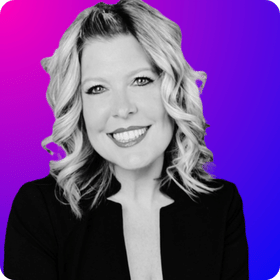
Co-Founder and Managing Partner at Peak Pharma Solutions, Jennifer Meldrum shares the challenges and rewards of leaving a job of over 20 years to start your own company. Neil and Jenn also discuss her role as current President of the OPMA and the association's recent revitalization.
Thank you to our Season 1 partner Papercurve. To find out more about how Papercurve can transform your content review and creation process, visit www.papercurve.com.
This episode was produced by Darryl Webster, with Chess Originals.
[00:00:00] But you need to have some sort of continuity with your leadership team to actually implement change and create new excitement and noise and relativity around what you're doing Welcome back to the PharmaBrands Podcast brought to you in part by Paper Curve. I'm your host Neil Follett
[00:00:20] Today we're talking to Jennifer Meldrum, Co-Founder and Managing Partner of Peak Pharma Solutions and the current president of the OPMA I sat on the OPMA board for six years and was the president a shockingly long time ago. So the association is near and dear to my heart
[00:00:36] Jen and the current board have done an astounding job of injecting new life and purpose into the OPMA And I'm excited to talk to her about her peak Pharma Solutions and OPMA journeys Jen thank you for joining us today on the PharmaBrands Podcast
[00:00:53] Thanks for having me appreciate it for folks who are listening who may not be familiar with Jennifer Meldrum and her story and current position and sort of life in the world of Pharma introduce yourself and give us a bit of background on
[00:01:07] Kind of what you do and what brought you here When I started in the industry it was 20 coming up on 27 years ago So showing my age there a little bit but 27 years ago and you'd laugh I think Neil that It was back in the days where
[00:01:22] Jobs were not posted on the internet. There was barely an internet So I applied for a pharmaceutical sales rep role from like a newspaper ad if you can believe it and thought you know, I graduated from
[00:01:36] Laurier with a business degree but always had a real interest in science And so I thought oh this could be a great avenue And maybe an area that I could find some interest in and a lot of people had told me up to that point
[00:01:47] That I would be good in sales, you know, they thought I had maybe the personality for it So I thought I'd give it a shot applied to this role and it was with the contract sales organization at the time and
[00:01:58] I was fortunate enough to win the role and started my career again 27 years ago On Valentine's Day, and I always remember it very well because of that I had to go to a training in Toronto and do the whole you know
[00:02:11] Pharma training thing which was really great and a good learning experience and then I started in the field I had a territory from the London to kind of Windsor corridor area and it wasn't long
[00:02:21] I would say maybe eight months to a year that I I realized pretty quickly that I wanted to do more than the sales
[00:02:29] Role in this industry. I think I was you know bright-eyed and bushy-tailed as they say and I saw lots of opportunity and so I let my
[00:02:37] My bosses know at the time that I wanted to do more within the organization and and and do more in terms of various rules And I was very fortunate and blessed to be able to do that in that organization
[00:02:48] I grew with that company and held multiple roles in sales management and operations and business development And and everything in between and really got a chance to learn the ropes of you know What it meant to run a business essentially
[00:03:03] But yet I didn't own the business in any way but I definitely held many many rules and I was with that company for 20 years actually and Had a chance to work all over Canada, of course and also in the US, but out about the 20 year mark
[00:03:16] I was starting to get a bit of a You know not in my stomach. I would say maybe a bit of like 20 year rich you're getting that's 20 Yes, exactly now the traditional seven-year-age But 20 year itch and I and I just got me thinking about you know
[00:03:29] Do I want to keep doing what I was doing exactly the same way for another? 20 years or another 10 years whatever I wanted to put in the the company was really good to me They weren't gonna ever let me go. I definitely hit my ceiling at that organization
[00:03:41] And again very grateful for it But I knew that there was more in my career. I guess that I wanted to do so I did resign after my 20 year anniversary and I did look around for a bit
[00:03:55] To see what was out there because if there's probably people like this Maybe listening that sometimes you get in a role or an organization for long enough
[00:04:03] And you start to wonder like am I employable would people think my skill sets are good enough and you do a little bit of self-doubt and I had that and I definitely we know went to a couple of interviews and and you know
[00:04:16] But luckily I had some really great feedback and I actually got some job offers which were great And I was really I was really pleased with the feeling of okay. Yes, I do have something to offer
[00:04:25] But it kept coming back to me that I have something to offer But I don't want to go back into the same situation with which I just was in which was okay I'm doing all this work, but I'm not owning the company in any way
[00:04:35] So I decided at that point with my business partner who was also interested in doing something similar To launch peak pharma solutions and that was six years ago So kind of put up our own shingle also in the contract sales organization space
[00:04:47] But we do a lot more and we do it differently than my first 20 years We're very proud of that We we have been very fortunate in building the network that we have over my 20 some odd years of experience that they
[00:04:59] Have come and want to work with us under the peak brand as well so now we're six years in and growing and and have some Ambition to grow beyond even just the Canadian market
[00:05:10] Which we hope to see soon and and couldn't be more pleased because I feel like it's it's something I've always wanted to do but but also in a space that I feel very comfortable in and
[00:05:19] You know, I really do appreciate our industry and I value it for all that It's doing for Canadians in general But I really value the people in our industry in our community And I think that owning my own company has really brought me into that even more
[00:05:33] So that's I guess that's in a nutshell beginning to where I am now So when you resigned after 20 years, it sounds like you resigned but you didn't have your next role lined up Correct. That's a big move especially when you're questioning that sort of employability factor
[00:05:50] Which I know there's some folks on that that are listening that you know Who would think well 20 years of experience? Of course you're employable But 20 years of experience with one place you do question
[00:06:01] How relevant am I in the larger marketplace and and have I been there too long or you know There's a whole bunch of doubt that happens when you were resigning Did you have in the back of your mind?
[00:06:13] You know what maybe I'm gonna start up my own thing or did that Come up once you started interviewing once you started contemplating like where where in that process was the spark of Maybe there's a peak pharma in me somewhere
[00:06:28] It's a great question and and I'll be honest in my very early days even when I was first taking business at Laurier I always had this feeling that I would own my own company one day
[00:06:40] I didn't know what it was. I didn't know what it would be in what industry or anything But I just felt like I had it in me to do that to kind of own a company to to run it to to create it but yet You know here
[00:06:53] I was working with another organization for 20 years, but it that never left me and not that I had this very specific Goal like okay. I'm gonna put in 20 years and then I'm gonna go launch my own company
[00:07:03] That wasn't the thought but I think it was always in the back of my mind It's like I think I could do this or what would I do differently? And I was just kind of always making mental notes right of things that I
[00:07:12] Appreciate it about what we did but also things that I think we should do differently The way that I would maybe want to do it So I think I was making mental notes kind of all along the way
[00:07:21] And then when I when I did decide to leave it was for multiple reasons one was that I just felt like I had hit my I'd hit my mark at that organization. I couldn't do anything different
[00:07:31] The organization was changing a little bit and sort of their vision and their mission And I was no longer feeling like the connection like I felt like there was becoming a disconnect there And I really listened to that in myself. I'm like, okay, something's not sitting right
[00:07:43] So I did step away and I kind of wanted to give myself Some time to just let it all settle So do I want to do something on my own? Do I want to go work for somebody else? All of these things
[00:07:54] But it was when I started interviewing and when I got the job offers like when I got a couple offers That's when I was really like, okay Like either I do this or I don't like I either go down this path because the type of person I am
[00:08:06] It's like if I'm in I'm all in like I'm going I'm doing it and I'm gonna do the best I can So I knew that if I was going to go down that role of taking a job with somebody else
[00:08:13] That that was probably going to be my last job Like if I was going to give it everything I had I was expecting that that would be where I would end up and then that's where I think it really Really hit home. That's like, hmm
[00:08:24] Like if I don't do this now if I don't try something on my own now I probably won't and that's where I think it really made me decide It's like I got to give this a shot I got to see if there's something here
[00:08:34] And I'm so glad that I did because I now I would never look back and it in so much so that I feel like there's there's nothing that can't be done in the sense of
[00:08:42] What's another idea that I could maybe start or what's another organization that I can maybe be a part of and And kind of put my stamp on so it does really open up a whole bunch of other doors once you make that step
[00:08:52] It's not easy, but once you do it I feel like it's it's like that 10 seconds of courage once you get that courage And then you see the fruits of that it really opens up a whole bunch of other doors and really opens your eyes
[00:09:03] Well, and it's an interesting place to be when I used to interview people I was I would always be sort of contemplating Do they want to come and work for me? Or do they just not want to work
[00:09:16] For who they work for currently right like and when when you're When you're out you've made the decision to go out and you're looking at job offers Those job offers aren't compared to
[00:09:28] The place you're at they're really only considered in the context of is this the place I want to go Right and and when you've got job offers and you're also incubating like maybe I could do this then you're comparing
[00:09:42] Would this job be a better place for me to be and put my energy and my passion versus this business? I want to start up. It's a really it's a brave in a lot of ways place to be but it's a unique place to be
[00:09:53] So you you said okay started peak six years ago And you said you want to be different and Everybody's got every founder has their founder story Are you able to distill for me?
[00:10:06] What that different was like what is it that you felt that you could do differently at peak that would Give you a leg up or a competitive advantage? Yeah, again, great question. And thanks for asking it. It's it's it's always a challenge
[00:10:21] you know when people ask us this question because As you can imagine we go through many rfps and when we're pitching our business against you know others in this industry
[00:10:29] And that's often asked like you know why you why peak right and and the question that the answer that I often give is really Probably more of a a softer answer than it is like a hard hard and fast. Here's the reasons why
[00:10:44] It's more about how we work and so and what I mean by that is We believe in like building true partnerships and relationships with our clients so that we are their resource if we become a resource to them for not only the services that we offer
[00:10:58] But perhaps we curate a new service. Maybe we create something customized or Because we're lucky enough to have quite a a network of individuals and organizations that we know
[00:11:09] We could be a resource to refer you to another expert in the field that we have vetted that we feel like operates Like we do in terms of white glove service customer service that you can reach us anytime
[00:11:20] You feel like you're the only client we have that is one piece of feedback that We've received from our clients and this was Unsolicited with somebody that was asking sort of as a as a reference
[00:11:31] And one of our clients said, you know working with with jen and rich and at peak We felt like we were the only client and meanwhile we have you know 15 or 20 clients going at any given time
[00:11:41] So that meant a lot to us because that's exactly what we want people to feel is that they've got Our ear when they need us they can reach out to us at any time and say hey I don't really know where to go for this
[00:11:51] Do you guys do this or where can you point me in the direction because I trust you? So we're trying to build these relationships of trust That that really make a difference because when people trust you they are going to give you some some more room to succeed
[00:12:05] They're going to hear what you have to say from a suggestion perspective They're going to hear our expertise over 25 years of working in this space And it really allows for the best chance of success for anything that we're doing with them
[00:12:17] So like I don't know if I would call it like boutique or high touch But there is a little bit of our services a component of the the cso services that can be felt like a commodity And it's like well, they all do the same thing
[00:12:30] But we all do it a bit differently and the way that we do what we think is just more enjoyable It's more enjoyable. It creates trust. It creates long-term relationships No matter where those people are working now or in the future
[00:12:43] And that's what we try to build so really building that community within sort of our organizations and our clients You know, I think I owned an agency for 18 years in in health care and worked in a different agency for another sort of four before that so
[00:12:58] Similar run as you in the in the space You know, we were called a an agency partner for years and years and years and then all of a sudden
[00:13:07] The s word started to creep in and the v word the supplier and vendor and I was always like isn't staples like a supplier it was this commodification of Creativity and I mean obviously as an agency owner, it didn't sit super well with me
[00:13:24] Of course, but it really changed the nature I think of of the relationship that we had with with some clients and I think it depends on The type of organization, right? Like this ends up being part of like an organizational DNA
[00:13:37] Some clients deeply deeply treated us like a partner But some clients treated us like a supplier So when you're trying to deliver that white glove service Do you feel that the industry and I know these are super broad strokes but is the industry as
[00:13:54] open and as interested in those Softer aspects like the white glove service as I think in a lot of ways Suppliers to the industry are being commodified a little bit. Like how are you seeing that shift?
[00:14:07] No, it's true. I see something similar and I'll kind of give you an example of how that plays out for us so Where we see people appreciate the the service offering and how we provide it is in those
[00:14:19] You know small to medium-sized companies where they still have control over Procurement and where they have control over decision-making sort of at the local level That's where I think people do appreciate. Okay, you guys are in this space with us
[00:14:33] We're we're all working in this market together. You've worked here for 27 years. You get it They like that. We like how you work. We do feel like this is a partnership That's where I see that that flourish that type of relationship flourish where it's challenging
[00:14:46] And probably similar to what you were kind of alluding to was when you're working with traditional big pharma where these are, you know multinational organizations that sometimes procurement is now global They're definitely going to Commodify this right. They're going to say go in the rfp
[00:15:02] We we don't you know, you can tell us all the soft stuff But we just want what's black and white and how are we going to compare? So that is a challenge for us and we try to do the best we can with sort of you know
[00:15:13] Sharing sort of why we think we're different and they they tell you to write it all down Which is great But what we do find which is which is a challenge for people in those organizations is that procurement has to be
[00:15:25] Very um unbiased and make it more like a commodity But the people you'll end up working with in the local market They still They still drive for those types of relationships that we're building like they actually say to us Oh, we want to work with you
[00:15:39] But we don't always have a choice in the final say because it goes through this big process And that that can be super frustrating for for companies like us and not just even our space
[00:15:49] But in other other service offerings and pharma as well where you have to go through this rfp process and the local Affiliate actually has said I want to work with you and we we see this great fit We see this partnership. We see this alignment
[00:16:03] But there's still you know these 27 other factors that someone like now ai is probably going to pick it That they're going to say okay This is who we have to go with and we don't have a choice now We go we go back and forth
[00:16:15] I think the pendulum has swung a little bit where it was going Quite a bit that way in probably the last maybe five to ten years But now I feel like it's swinging a bit back to be
[00:16:25] Giving these global organizations are giving more autonomy and authority back to the affiliate It doesn't mean that you still don't have to go through the rfp process But they might say okay
[00:16:35] This is what the rfp is showing but you still have this available to you at the local level to give you that autonomy to make decisions So we just have to kind of we don't have a choice how we present to these organizations
[00:16:47] And what processes we have to go through when it comes to these pitches But we do our best and we try to make those relationships And the good part is is that we tend to have relationships with many pharmaceutical companies already
[00:16:58] But and we ask them we're like we're going through this process And we say what would what would be helpful to you so that we can sort of navigate this process so that you can end up choosing
[00:17:06] The company you want to work with so we try to work with them through the whole process to make it easier But back to your original question I I still believe that sort of your small medium-sized companies that are not as
[00:17:18] Influenced by a global structure. I think they're the ones that really revel in working with a company like us We'll be right back after this message from paper curve Season one of the pharma brand's podcast is brought to you in part by our partner paper curve
[00:17:36] Paper curve helps life science companies streamline their content creation review and sharing with fast setup High team adoption and real human support But you might be wondering how does paper curve stack up against the competition?
[00:17:51] Well, let's talk usability paper curve is streamlined and focused for the canadian market competitor platforms are complex and challenging to learn Looking for support with paper curve. You have a real dedicated human success representative with others you're put into a queue
[00:18:07] What about setup with paper curve? It's one week and no third party it needed competitors not so much And finally training with paper curve. You get unlimited training and onboarding and with others. It's just more fees and yearly renewals
[00:18:23] Pricing external collaboration claim matching paper curve comes out on top every time find out more at papercurve.com Now back to the show I think that white glove service i'm gonna come back to that because I love that notion
[00:18:40] As to what differentiates you because it is a it's not necessarily a bigger faster stronger That feels Sophical in a way that probably is imbueded in everything that you do And I always took a great level of responsibility as a partner to our clients knowing that
[00:18:58] The kind of partner that we are to them has a really significant impact on both their personal and professional lives, right? Yes Having a partner who is that white glove partner who you can really trust
[00:19:10] And who also, you know, you don't dread when you see their number come up on your on your phone Or when their their email pings in that makes a really really big difference And I and I'm sure that obviously Deep capabilities
[00:19:23] Great delivery those those things are the cost of entry but that sense of uh care You're so right and and I want to make a comment there about how you said, you know
[00:19:32] When you when you kind of look at your relationship with their clients a certain way and how that permeates to the rest of the company It really does. I don't want to negate how important it is that of course we're having these important and helpful and
[00:19:45] Collaborative relationships with our clients But we also have those with our employees and one thing that does differentiate us from maybe every other company that does this in the space Is that our relationships?
[00:19:56] Their employees are very rich like we we don't just you know because we're contract by nature people come and go right? So there can be a little bit of a commodity feel with people coming in they do a project
[00:20:07] They leave and then, you know, you might not see them again. Like it's it can be very um Transactional and that's not how we behave like with our with our employees. They're all hired
[00:20:17] They all feel like they're well taken care of they can call me as much as my clients call me So there's just this element of transparency care Respect trust that's something that goes across everything we do with our clients with our partners and with our with our employees
[00:20:34] And that's that is truly how we behave and it goes right to your point that you mentioned We work a lot of hours, right? All of us are putting in a lot of time into our jobs and our roles
[00:20:44] We better enjoy it. Right. We I don't want I don't want to look back after you know 30 40 years of working and think oh man. I wish I could get those years back I wish I could get those hours back like I have a very
[00:20:57] Gray line between my professional and personal life because I find it's all fulfilling It's all fulfilling and and I want our clients to do what you just said and our employees the same
[00:21:06] I want them to feel like any engagement. I've had with peak with gen with rich. It's positive It's it's it's delightful It I feel like I have a relationship with them that goes beyond even this contract or this term or this project It's continuous because I
[00:21:23] I don't know why you wouldn't spend time with people when you spend time with people during work Why you wouldn't feel like oh, I could see myself talking to them outside of work Like that's how we try to create that sort of relationship
[00:21:33] That of course it's got to be two-way and it's got to feel good for both people But our goal is to to have that trust factor that allows for that Well, your business to your point is an extension of you and
[00:21:43] There's a bit of I used to joke with people like I'd be a bit of a dummy if I started up a company that I don't even Want to work at You want to run a company that you're surrounded by it's hard work And so
[00:21:56] You know don't don't make it harder than it needs to be and so That philosophy applied both to your clients and your staff and your other stakeholders I think is really it's obviously powerful
[00:22:07] It's it's done great things for for you guys at peak and get ready for my segue and I think you probably bring some of that philosophy over into your Other corner of your professional life, which is being the president of the opma
[00:22:21] Absolutely. I'd like to think so. I think that you know what we learn from our Jobs and our roles and working with various people It automatically allows for that to kind of flow into other things and I'm really fortunate and
[00:22:34] Blessed to be able to have what I think is valuable time and energy to give to something like the opma So let's talk about the opma. I think that there's there's Most of our listeners, I think who are At least those in Ontario will have probably
[00:22:51] Heard of the opma. They may have had interactions with the opma opma in the past, but maybe Describe for me what you see as Today's opma. What is what is today's opma?
[00:23:04] The Ontario Pharmaceutical Marketing Association. That's the the name right opma and and when it began back in 1966 It was really developed for marketers in this space and and really to create a community Where they could collaborate share
[00:23:21] Hangout, but we just talked about you know professionally and personally hang out and learn from one another Today so that was back in 1966 and it's ebbed and flowed in various ways during that timeframe
[00:23:32] And I would say today, you know our vision for it for the last few years I would say the last four to five years has been to To be the pulse of the industry and what we mean by that is to be
[00:23:45] On the cutting edge of what's important what people are talking about So what are the topics that you know are being talked about around the water cooler? What are people struggling with in the board room?
[00:23:54] What are things that people are trying to figure out in in a pharmaceutical company at large not just marketing but everywhere and we want to bring That information and those topics to our educational events that have panels of you know experts in those fields
[00:24:09] And really start talking about the things that everybody's already talking about it You know in a in a way, but we're trying to kind of Encapsulate it to a great conversation that people can leave with some new tools new tactics and really be better at their jobs
[00:24:22] When they come out of that sort of event and that's if this happens over multiple events, right? You're just learning along the way and we're trying to essentially Level up our industry when it comes to learning
[00:24:33] You know, so how do we all get a bit better at what we do by sharing some of these learnings with one another? That's one element of it The other element is creating community
[00:24:43] Um, I think that there was a desire at the beginning for this to be a community and then I think as Ontario developed and grew Um people moved out of the gta out of the core
[00:24:54] It was much harder to get people together and you know people get into their the routines But what I will say is during the pandemic When everybody had to go virtual we continued to create good content
[00:25:05] We continued to create educational events and knowledge transfer that was really well received people really were craving that During the the covid years and then coming out of covid as you can imagine I'm sure everybody has seen this
[00:25:19] This the the drive to get back together and to actually remember how much community means And I think that has not just like Happened for the little bit after covid, but it's extending like we're seeing it even now in in years after
[00:25:32] And I think it will continue because I think we all got a wake-up call during that time frame of how important Human interaction is um and face-to-face interaction So we we desire to create a community that sees each other in person
[00:25:46] Can see each other virtually and that has this network that continues in between those events That we can feel like okay this this group of people that work in this industry
[00:25:56] We all kind of are in it for the same reasons which is you know, we want to do good work We we're trying to make the health of canadians better and improved And we we're a pretty decent group of people
[00:26:08] We want to see each other succeed and I think that that's becoming much more Brought to the forefront and people are responding to events that we're doing that's bringing people together Sharing and saying yeah, like we're all in this together. Like let's enjoy this
[00:26:22] Let's let's share and and help one another Um and it's it's lovely to see like it really is and and that is our vision is to have more of that so more community more Knowledge transfer more leveling up
[00:26:35] And I don't think that will ever end like that's kind of our long-term goal and vision and the different tactics We use what may change over the years But that's sort of the the ultimate goal is to create community and knowledge transfer and leveling up
[00:26:49] It was not that long ago That the opma was almost an association and name only there really wasn't much going on It's really difficult to run a volunteer Organization everybody's busy and typically you get really engaged and motivated people wanting to be A part of it
[00:27:07] But typically engaged and motivated people are part of a lot of things so they can often be a bit stretched in and Desire and capacity are two different things You mentioned the pandemic, but what else have you at the opma done to get the kind of
[00:27:22] Momentum and build the kind of energy that is really associated with you know again I'll sort of say today's opma. I when you and I were chatting a little while ago I recounted a story of one of the folks that I used to work with
[00:27:34] Called me up specifically to say I just came from an opma event and like it was rocking and it was great To see everybody and I mean she called me almost with a sense of amazement at what a great experience it was
[00:27:47] What can you pinpoint that or is it just been a whole bunch of factors that have happened kind of serendipitously? I think one of the things I would point to is that previous to my time as president
[00:28:00] I was involved with the opma prior to that and I had held a few different roles And it was probably over about three or four years that I kind of watched how it was Navigated and and one of the things that I noticed was that
[00:28:11] There was always a changing of the guard like every year like every year The president would change and like maybe the board would change and and if you can imagine like it's hard to have any continuity When you have that much change happening every year
[00:28:25] And I understood the concept like I understand why it's like okay Everybody should have a chance at these roles and so on and certainly we still want that thought process
[00:28:33] But you need to have some sort of continuity with your leadership team to actually implement change and and create new excitement and noise and Relativity around what you're doing And so that's something that we saw probably a little bit because of the pandemic
[00:28:49] But also because we started to see a great Return of people coming to the opma because we stayed consistent that now that's what people want to do Like okay, well gem Well, you stay on as president a little longer because we seem to be getting in this momentum
[00:29:02] Which is wonderful and I'm happy to do that But I think there's some continuity that allows for that So when you have continuity at the at the leadership level that does in fact help with
[00:29:13] Executing sort of these tactics and executing on a vision and mission when you have change all the time Like you're re-orangeing people and to your point volunteers like some people say yes I want to volunteer but they really can't volunteer the way that you need them to
[00:29:26] So it's a lot of Maneuvering so now I feel like over the last again probably three years We've had like a core group at the at the leadership level That have kind of stuck in and are stuck around and are really passionate about what we're doing
[00:29:40] And then what's so great is when you see People respond to the opma like your friend or your your colleague that called you when you start to see that happening It starts to then get other people wanting to be involved with the opma, right?
[00:29:54] So then now of sudden you're not like trying to poach people into it and say convincing them to be part of the leadership Now they're knocking on your door saying hey, I want to be part of this
[00:30:03] I want to be part of something that's growing and that's actually producing Some mission and vision that I see valuable to the to our industry And and that has really helped us in the last year or so is that we've we've actually broadened our leadership team
[00:30:16] To include people that are that we don't have to convince them to be passionate They are passionate and that's why they're coming and so therefore as a volunteer they just come with a different type of Attitude right they come with a hey
[00:30:29] I knocked on the door and they said I can and now I want to and now I want to do a good job And so having people that are now in the leadership team that are all in that space
[00:30:37] It then just allows a multitude of things to happen, right? Everybody's more vocal everybody's sharing everybody's talking about this It just becomes like a wave and that's what I think I would attribute to is some consistency at leadership And then because of some of the results of seeing
[00:30:53] Some uptick in sort of the response to the opma that has allowed other people to get excited about it And we've brought those people into so I think that sort of together is kind of how it sways to to allow for continued success
[00:31:07] What do you feel the industry really kind of needs right now From an opma perspective, I would say What we're hearing from What I would call pharma industries we have a lot of different members and sponsors from all different sorts of organizations
[00:31:23] Some pharma lots of the as we mentioned supplier and bender side or partner side But from the pharma folks specifically the pharma organizations what what we're finding resonates is The opma is an opportunity for development development from um a career perspective in terms of learning getting more engaged
[00:31:45] Meeting your colleagues There used to be a time where there was some thought that oh this would be a threat because if if my if my employees go here Then somebody else is going to poach them and all that but that has gone away
[00:31:56] I think that the industry at large has said we all want to get better And if you can engage with other people and that that allows you to bring good information back to the to the organization
[00:32:04] That's a good thing and allowing and supporting people to have community and to have an opportunity to learn and educate themselves more It's a perk It's a perk for organizations to offer that and I think employees are are wanting more of that
[00:32:19] Especially because of what you said there's a lot less employees, but just as much work So capacity is is a thing But if you don't give people the other things that go with their jobs
[00:32:28] If you want them to do a lot you better give them something that's enjoyable as well And this is one of those areas that you can offer as an organization and say yes
[00:32:35] We're going to support the opma. We want you to go to these events and and go and learn and enjoy and come back and share And that seems to be something that organizations are drawn to
[00:32:45] Uh for sure and and certainly there's an element of you know an organization wanting to say that yeah We we align with what the opma is all about and and we want to declare that and I think that's a big a big deal as well
[00:32:57] From a peak perspective What comes around more often than not I I would say in the last you know Well since peak started last six years if not longer
[00:33:07] The whole transition of the industry going from the days of big pharma companies and lots of money that you almost don't even have to measure And you just just there was no concern because there were so many big blockbuster drugs
[00:33:19] And it was just put as many reps out there as you want and and spend spend spend and and that There was a great time right for the industry for lots of reasons having said that it wasn't necessarily
[00:33:29] Totally responsible in the sense that we weren't necessarily being fiscally responsible now companies have to be not just because there is more Oversight and which should be there as we talked about earlier more compliance and all of that
[00:33:41] But also because it's just that the market is different in terms of what products are coming We've saturated a lot of the primary care market. We've gotten good at making certain drugs
[00:33:50] So new drugs are different their specialty their rare disease and and there's there's now more technology coming in like it's just really changed And so all these companies have done their restructuring and and sort of figuring out. Okay. What is the right size?
[00:34:04] But what what happens is the people that get we always think about the people that get restructured out right? So they're now without a job and we're you know feeling for them which is makes total sense
[00:34:12] But there's a big group that are still at these organizations that are feeling a different type of pressure They're feeling like okay. I get to stay great. I get to keep my job
[00:34:21] But like the world is changing like my whole environment has changed. What's expected of me changes You know, how I work has changed the capacity of what I have is just not there like so There's different types of pressures and I think that
[00:34:33] We're finding if we can give people an outlet An opportunity to share how they're feeling to talk about things like emotional intelligence mental health in the workspace all these other things that matter that people are actually experiencing
[00:34:47] I think that that will just again allow the industry as a whole To level up with how we engage with one another and what the expectations of each other should be
[00:34:56] Because you know, you can't you can't operate at that level for too long before things start to crash And so we're trying to give opportunities for people that we have on our membership and people that want to be part of the opma But also from a peak side
[00:35:09] We're always sharing the events that we're doing with the opma with all of our clients and all of our employees because it's like This is something available to you come be a part of it
[00:35:17] And and I think that that is one of the reasons why I think it's resonating with the industry at large Well, Jen you've talked a lot about community And I very much appreciate you being part of the pharma brands community to be on the podcast today
[00:35:32] Yes, you know as we head towards the end, you know, we've talked about peak. We've talked about the opma Tell our listeners where they can find both Absolutely. So, you know peak pharma solutions. We have a website. Of course, you can go to or on linkedin
[00:35:46] peakpharmasolutions.com or if you follow me on linkedin, there's a connection right there to peak as well Welcome any conversations we talk with not only, you know customers and clients but people that are looking to Make a career change or looking for new opportunities
[00:36:01] You know, we want to talk to all all people and all all sorts From an opma perspective the our website is the opma online org Again, if you follow me on linkedin, there'll be a connection to the opma through that
[00:36:15] And we do welcome, you know, you to go to the website. That's where you can register for all of our events We do a lot on linkedin the opma. You've probably seen that we do a lot of posts and a lot of communications
[00:36:25] So follow us there as well for all the up to date information on what we're doing and what types of topics we're covering Um, and maybe even how to get involved
[00:36:34] Jen thank you so much for the conversation today. I really really enjoyed our time together. Yeah same nail Thanks for asking. I really appreciate it That's episode two We hope you enjoyed it and we really hope you come back for more
[00:36:48] You're gonna get tired of me asking but we'd love it if you subscribed Our next guest is going to be Jen Zeifman SVP national lead health and wellness approved strategies Jen was recently on stage at our sold out age of ai event
[00:37:02] And she's going to be talking to us about the evolution of pr in healthcare amongst other things So please give it a listen in two weeks Thanks again to papercurve for being our season one partner
[00:37:14] If you want to find out how papercurve can help you streamline your content creation and review Reach out to ceo jeff kent. He's at jeffrey.kent at papercurve.com See you in two weeks