
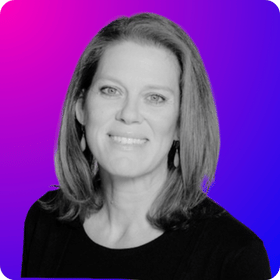
embecta, the diabetes care business that spun off from BD in 2022, is in many ways a start up with 2000 employees and a 100 year legacy. In this episode Jen shares her perspective on leading the Canadian team through the change, growth, challenges and pride that comes with creating a new business from a very old one. Jen’s insights on managing through ambiguity and her passion for supporting her team shine through in this conversation.
This episode was brought to you, in part, by Metrix. Metrix helps clients make behaviour change happen. We appreciate their support and encourage you to learn more at metrixgroup.com.
Our producer is Darryl Webster with Chess Originals.
[00:00:01] Welcome to the PharmaBrands Podcast, I'm your host, Neil Follett, and I am really excited to bring you today's conversation with Jen Spirin.
[00:00:09] I have no one yet for a very long time, and I have the utmost respect for her approach to marketing, leadership, and life in general.
[00:00:17] And, you know that Jen is a big deal as a guest because we have to play you this.
[00:00:22] The opinions expressed during this podcast are so align mine as the presenter and not those of Inbecta.
[00:00:27] Inbecta does not guarantee the accuracy or reliability of information provided.
[00:00:32] The information presented in this podcast is for educational purposes only and does not replace professional advice or medical judgment opinion.
[00:00:40] And now my conversation with Jen Spirin, VPGM of Inbecta Canada.
[00:00:46] Thank you for joining us today, Jen.
[00:00:48] Thanks for having me excited to be here.
[00:00:50] I want to start with Inbecta. Inbecta for many folks might not be a household name for lots of will be,
[00:00:56] but Inbecta in a lot of ways is probably the newest company and the biggest company,
[00:01:03] and the company with the longest pedigree that people might not know a lot about.
[00:01:08] So give a bit of the Inbecta story because it's quite fascinating.
[00:01:10] Yeah, sure.
[00:01:12] So Inbecta is actually the diabetes care division that was spun off of BD.
[00:01:17] And back to Dickinson is a global medical technology company around the world.
[00:01:24] A number of different businesses, 125 years old.
[00:01:29] And the diabetes business had been part of BD for over 100 years.
[00:01:33] We were one of the oldest businesses in BD.
[00:01:36] Incredible history, you know, bringing the first syringe to market for the use with insulin.
[00:01:42] And then innovations over the course of that 100 years through innovations in syringes, glass syringes to plastic disposable syringes into pen needles,
[00:01:50] changing the injection experience for people living with diabetes.
[00:01:55] And over that time, you know, BD did really move into other spaces with different businesses,
[00:02:02] especially into the acute care space.
[00:02:04] And diabetes care was a bit of a different business in that we were very focused on patient and consumer
[00:02:09] as, you know, our products are used by patients in the home as they inject insulin.
[00:02:14] And so eventually the BD decision was to spin in back to off into its own standalone company.
[00:02:20] And that happened back on April 1st of 2022.
[00:02:24] And so diabetes care became this great new business called in Becta.
[00:02:28] And you're right, it was a really unique experience because this 100 year old business and brand had to step out as a brand new startup.
[00:02:36] And that's a pretty incredible experience to feel like you're a new business building your brand and building your company with this 100 year legacy.
[00:02:46] And 30 million patients that you already supported worldwide.
[00:02:50] And so that was an incredible responsibility and opportunity, but it was the birth of what is now in Becta.
[00:02:56] And we're excited for the next 100 years to be that partner for patients living with diabetes.
[00:03:02] And I imagine that the sentence spin and back to off is probably a lot easier to say than it is to do in real life.
[00:03:12] Like, I would do my great care and you know, but you can't think of there's no cameras.
[00:03:15] Yeah, I mean, that sort of sounds like hey, you know, we're going to do tomorrow.
[00:03:18] Like let's let's spin this thing off.
[00:03:20] I did have a little bit of digging up before we chatted and I mean, impact is is one of the largest producer of diabetes in slim devices in the world.
[00:03:28] It's got 200 2000 employees working in 100 countries.
[00:03:32] You mentioned the 30 million patients.
[00:03:34] I think another staggering number is that those 30 million patients use 8 billion devices a year and that's with a B.
[00:03:43] So there could be an entire podcast series on spinning off, but maybe talk a little bit about that.
[00:03:51] And I know you were kind of like at the table at a very senior rule through that whole spin off.
[00:03:57] So maybe a combo of what was that like for you personally and what was that like as a business, that's a monumental endeavor.
[00:04:05] It was rather monumental and the truth is not done yet.
[00:04:08] I mean, it takes years to extract a business from a parent company.
[00:04:13] It has been an incredible learning experience.
[00:04:16] Maybe I start with the personal, you know what, it was initially somewhat shocking, you know, you're this big business and a very big established organized.
[00:04:27] I'm a big organization with this incredible history, you know part of this organization for so long and there's definitely an element of sort of shocking surprise that all of a sudden you're told it's being sort of lobbed off a company and you're going to go and have to stand it up on its own.
[00:04:43] And there was a lot of emotions in that for sure.
[00:04:46] I had been with B.D. for nine years at that time.
[00:04:49] They'd been a wonderful organization to be part of and I had had lots of opportunity moving up through that organization and you sort of wonder what the other side's going to look like.
[00:04:56] And then as you're managing your own emotions, you realize really your role is to help manage the team through their emotions because all of a sudden it's this massive change management process.
[00:05:11] To help your people come out of the organization they signed up to be with everyone's very much had signed up to be with B.D. and then you're telling them it's time to leave and you're going to be part of this new organization and really it's.
[00:05:26] Working quickly through the emotions I was feeling so that I could create capacity to really help my team through what they were going to face.
[00:05:33] And so there was a lot of just that change management started with the just emotions of it all.
[00:05:39] I'm always astounded at people who have mandates that are as large as the one that you have.
[00:05:45] And what were those emotions was in a combination of, you know, excitement and dread was it like how did how did you process that to sort of get yourself ready to be the one.
[00:05:56] And who stood up in front of everybody to say this is what we're going to do and I'm going to be the one who helps lead you through it. You obviously have a management team and folks underneath you doing a lot of work, but yeah, what was that like for you to switch sort of switch hats and switch gears and get yourself ready.
[00:06:12] I think what helped was there was actually a lot of excitement. So as much as there was fear of the unknown and there was tons of fear of the unknown, you know, your sort of cocooned in a big organization with lots of resources and processes and procedures and place and all those things that help you, you know, be successful as a business leader.
[00:06:32] So there was the fear of stepping out with all of that and into the gray and the unknown, but I think very quickly it was the excitement of that for me.
[00:06:43] Realizing that within BD my experience certainly had been a little bit of feeling like we were the square peg trying to fit into the round hole.
[00:06:52] And so I could see the other side of wow, if we could be on our own, if we could create this organization around our own needs and the needs of our customers and patients that became really exciting really quickly.
[00:07:05] And being able to see what that could be and help the team see what that could be sort of maybe breaking free of some of the shackles that we'd had that, you know, didn't really serve us on our business and our patients.
[00:07:17] It was helping them see that vision really of what we could be and so I think excitement took over pretty quickly as well as honestly, personally the excitement of a much broader scope for me.
[00:07:29] You know, as a business leader in BD, I was really just accountable for commercial leadership.
[00:07:33] But stepping out as a general manager gave me the opportunity to really lead functions and operations and seeing the opportunity for growth in that was also exciting.
[00:07:43] So it was too pronged for me and that I felt we had the opportunity to create this exciting new standalone diabetes care company which honestly, I'm very personally invested in diabetes.
[00:07:56] It's always been my passion and that alone was really exciting.
[00:08:01] But then also the professional development I could see within it was equally as exciting and you know that building of a new company here's how I'll describe it because this is what we talked about a lot, it was like.
[00:08:14] Flying an airplane that's already up in the air that isn't built yet.
[00:08:20] Yeah, and it was like you're in the air going thousands of miles per hour trying to literally, you know, make a door not even screw the door on.
[00:08:29] Just make a door so you had one to screw on that's what it was like, you know, you were already in business. You already had this massive group of customers and patients who were lied on you.
[00:08:41] Yeah, this massive group of employees who relied on you, but you didn't have any of the infrastructure to support it. So we were relying on BD in many aspects to continue some of that support.
[00:08:53] But as we were trying to create it for ourselves and stand it up for ourselves, everything from our ERP to our distribution to you know all our operating procedures quality regulatory you name it.
[00:09:05] And so that's what it felt like it felt like you were still trying to fly this critically important plane in the air without all the all the pieces that you were frantically trying to.
[00:09:18] Manufacturing manair and so that was kind of the experience which was daunting.
[00:09:24] Needless to say, I mean it just felt like every day it was something else you know some other fire you were trying to tackle but at the same time it was so.
[00:09:47] Yeah, that's so much I learned every day you know you had to tackle new things every day which was it was very I mean the word is invigorating it was just I mean it was exhausting but it was a wild exciting ride to.
[00:10:05] Well, I mean running running a business in your role at the scale of your business is invigorating and exciting without having to build a plane there's always fires to.
[00:10:15] So the fact that you are trying to you know maintain and sustain operations producing a product that is incredibly important you just you can't not deliver.
[00:10:27] Well also kind of manufacturing that business at the same time it's sort of three jobs in one and has it.
[00:10:34] You know as the door gets built and the wing gets built and some of those tasks kind of fall off a little bit and get settled is there something that happens on the other side of all of that where.
[00:10:47] There's a different level of resilience at you know maybe your level the leadership team level company level for folks who have both kind of.
[00:10:57] And built and launched the business all at the same time that makes that that I imagine that makes for a different level of resilience in a different level of ownership and a different perspective because you've had to look at this thing so multi-dimensionally.
[00:11:12] You've just hit it like the resilience yes the ownership and also the pride.
[00:11:18] Yeah watching my team here in Canada navigate the challenges we've faced rise up to them expand their scope learn on the fly continue to deliver without disruption.
[00:11:31] And honestly for us here in Canada be extremely successful throughout all those challenges our business performance has actually continued to be exceptional.
[00:11:41] I think is completely transformed all of my team members you know I see them as their their scope their critical thinking their solution hearing ability to solve problems has totally transformed and their resilience their perseverance through that has been incredible.
[00:11:59] I think they've surprised themselves I think we've surprised each other and then you you know get on the other side which we mostly are now and you look back in the sense of pride has connected us in a way that.
[00:12:12] I've never experienced before and we certainly didn't have before it's sort of like wow we were put to the test look what we've done and look what we managed to deliver throughout that.
[00:12:24] And and yeah that that sense of pride and accomplishment is I would say something you don't get very often in a career I feel like this has sort of been a once in a career maybe twice in a career you know opportunity and it's something that in those moments where the team has been.
[00:12:42] frustrated run down and let me tell you there's been lots of that it has been reminding them to step back and just take a moment.
[00:12:50] To look at what we've accomplished and how we accomplished it together and when you do that it really brings everyone back to that focus of while what we have done.
[00:12:59] And we've continued to deliver for patients who count on us really is the source of pride and strength to keep going because it's honestly not not finished yet I mean we are mostly separated.
[00:13:10] Certainly operationally for North America but we still have big things ahead of us like our brand update in transition which which happens next year and so.
[00:13:19] The work's not done and you know it has it's been like you know a two and a half years sprint it's felt like you know I wish it was a marathon but I feel like we've been sprinting for two and a half years and so.
[00:13:30] It's helping people continue to have that perseverance and energy to keep going because there's there's still lots ahead of us.
[00:13:37] Well and I have to imagine that the team has a different level of confidence going into things like you know brand refreshra you know some some brand work which in a lot of organizations is you know it's a huge lift and you know causes you know.
[00:14:07] And we have a different level of energy in comparison where without the perspective of having done what you've done like that the team being energized and resilient.
[00:14:14] Likely has a different level of energy to tackle what comes next.
[00:14:19] Almost anything I have to tell you now you feel like there's nothing we can't do.
[00:14:24] Yeah, the team you realize what you have overcome and we have overcome I have to tell you there was lots of hurdles along the way just tons of hurdles along the way.
[00:14:33] And when you realize that you can sort of jump over any hurdle put in front of you you start to realize that we can together absolutely do anything and it's one of the things I've set around my leadership table and.
[00:14:46] Certainly around you know the Canada team is a whole.
[00:14:50] There's nothing we can't do because the great opportunity now is it's just us doing it it's not that we have to go to somebody else there's not these like other stakeholders across the organization you know this big other you know back shop who were relying on.
[00:15:03] And so we have to do all this work, etc. etc. it's like.
[00:15:07] Just and and I've said that a number of times of the team like what do we need it to be how do we need it to work what do we need to do because guess what we get to be the ones to do it so.
[00:15:15] Let's do it the way we need it done what we want to do and and within that is this enormous empowerment of realizing that.
[00:15:24] You figure out all these things that you never thought you'd be able to figure out and therefore really anything put in front of you you're going to figure out too and the confidence from that.
[00:15:34] Really is huge.
[00:15:36] That that has been I think a huge part of growth for both me and all our people and and you do have a new sense of confidence I'll tell you the confidence I have now in our ability to just figure things out in the gray.
[00:15:49] I didn't have that initially that was all scary and now it's not now it's just exciting and opportunity and so I think all of us have learned to navigate the gray in in ways we never thought possible.
[00:16:00] That's understandable given that those aren't typically muscles that get very well developed.
[00:16:06] In a very very large organization that's you know almost 100 years old that you know you used the phrase breaking free at one point in this conversation and you know I think that for certain folks to go sort of from zero to 100 and say you've worked in an organization or an a role or an structure that's got really really clear guard rails.
[00:16:27] You can't even know what the next four steps are because they're really really nicely laid out.
[00:16:31] Being able to deliver on those well articulated steps is a different skill set and a different comfort level then we don't really know what the next steps are and quite frankly it's up to us to find the best ones that that can be quite a disorienting I think if it happens sort of immediately.
[00:16:54] But as you're looking now a couple years in having done all of you that you've done.
[00:17:00] I have to imagine that the team is much more comfortable with the gray and seize the gray as an opportunity versus a threat in a different way than then they would have.
[00:17:11] You know the day after the spin-off was announced yes, oh my gosh, and so one of the ways I've sort of described that is you're right when you're in a big organization.
[00:17:18] You've got a nice clear box you work in, you know exactly what you said you know your role as clear there's clear lines around it there's clear you know competencies within it accountability is within it.
[00:17:29] Processes and policies to follow to deliver it I mean you are very supported there's tons of clarity and you sort of operate in that that box that you know is your space to work.
[00:17:39] And stepping out and I got to tell you your point of like I wish it had been a gradual transition it wasn't it was like the box was blown up.
[00:17:47] You stepped out into this new organization right into the gray and.
[00:17:54] That comfort level gosh it took time I mean it was not overnight that everyone went oh great like I have no box I have no path I have no clarity and I'm I'm happy to be in this wide open space.
[00:18:05] That was not the case it was really helping people see the opportunity in that and believe in themselves that they could operate in that way after you know for many people for a very long time operating in sort of the security of.
[00:18:18] That that very clear you know ways of working under a larger organization and so the change management of letting people know that.
[00:18:28] We knew people didn't know all the answers and that was okay I didn't know all the answers yeah most my team you know I mean no one knew all the answers we were creating new ways of working it was okay to get it wrong it was okay to base things on assumptions it was okay to make mistakes.
[00:18:44] It was okay to put our heads together and say we don't know but like let's just map this out and figure it out.
[00:18:49] And giving people the security and safety to do that was a huge part of it and and helping people understand that we were going to need to be curious we were going to need to be vulnerable we're going to ask questions we were going to need to lean on each other.
[00:19:03] You know that was a very new way of working and letting people know that it was okay.
[00:19:07] And that was going to be our new norm and let's be successful in that and let's find the opportunity in that and let's be excited about that was a massive part of the people transformation for sure.
[00:19:19] Well, an interesting challenge for someone in your position because often you know the expectation is that the more senior you get.
[00:19:30] You know sort of the more authoritative your your opinion is right that that you have the answers and that's why you're in the position that you're in and curiosity.
[00:19:39] And vulnerability are not typically hallmarks of a lot of folks in in very, very senior at you know at the top of the pyramid.
[00:19:49] I've known you for a long time I think those are aspects of your leadership and approach that there's just part of your your DNA but that ability to stand up and for everybody who are potentially anxious they're bit overwhelmed and to say and not so many words you know.
[00:20:07] I'm also just an overwhelmed this is crazy we're all doing this together and can really be a unifying for the right people that can be a very unifying position to take because it wraps everybody's arms are any other of it.
[00:20:21] Yes, yeah and really you know sort of was a new hallmark of our culture you know which was a big transformation and I do think had to start at the top and I'll tell you it was wildly uncomfortable.
[00:20:35] You're right like I do think that's been a style of my leadership I think it's been honestly part of my success in my you know grow through my career is is that comfort with being curious and being vulnerable and the only way I have been able to learn and grow honestly is asking a lot of questions.
[00:20:53] And then that actually has become a large part of my engagement you know my engagement is I don't think I've ever known everything you know in any role I've been in now I will say I was more of an expert leader in some of my more junior roles where you can be a subject matter expert.
[00:21:12] Yeah, but the higher I got the less you can be an expert in all things and certainly by the time I got to general management got your next bird and nothing you just need to know a ton.
[00:21:22] You know, sorry you need to know a very little about a lot of things right and so it's getting comfortable with that and getting comfortable with asking just enough questions to note.
[00:21:31] You know as much as you need to be able to help move things forward but just the ability to get comfortable with that is was a huge part of my adjustment into the general management role and so.
[00:21:43] Helping others see that be open with that let them know I didn't have all the answers but I knew amongst us we would be able to find them and come up with them having you know huge confidence in our ability in that.
[00:21:55] I was really important and I'll tell you when I when I went from business unit leader to general manager.
[00:22:01] Gosh, I was asking questions by the second I mean I was in so many new areas you know fortunately there are subject matter experts you have to find them you have to rely on them.
[00:22:13] You have to learn from them you know and that was a lot of what I was certainly doing early in the role without question.
[00:22:19] We'll be right back.
[00:22:22] When it comes to impactful training or compelling marketing great work starts with a combination of insights and perspective and the team metrics provides itself.
[00:22:31] I'm bringing both to clients in life sciences.
[00:22:34] Metrics brings advanced training insights and a modern marketing perspective to your healthcare projects they help connect the dots and they spend time to really understand your unique brand environment and culture.
[00:22:47] Metrics also knows that the fall gets really busy especially this fall and if you're looking to engage your partner for your end of the year push metrics will deliver within your budget and timelines and they'll exceed your expectations learn more at metricsgroup dot com.
[00:23:04] Someone said to me recently a little quote that I thought was really salient which is you know the more senior you get they might have been talking about my age and not my actual seniority in any role.
[00:23:17] You know they said you know what becomes valuable is your experience versus your expertise.
[00:23:22] And I think that that goes through yeah it's it's you're not a subject matter expert and a certain thing and it sounds like that's that's one of the things that really help you know foundation for you to stand on as you're doing this.
[00:23:35] The other the other piece that strikes me when you're when you're talking about listening is you know the friction that exists for you know what employee or manager in an organization that's going through a change like this where pre spent off you just.
[00:23:53] Enter an invoice in the invoice system and then that would all get taken care of you know you magically in the background yeah totally you know you need a new mouse and like a most what appear right.
[00:24:04] And the the friction that gets created in just getting through the day and trying to get your job done.
[00:24:13] That is this sort of background static that exists in an environment where you're trying to embrace the grade it's like I'm trying to embrace the grade but I can't even like a kid you know fix my computer.
[00:24:25] And sometimes I think that it's the helping remove some of that friction helps to set your team up to really be successful at embracing the grade so I have to imagine that some of that listening you were doing.
[00:24:41] Was macro listening right like asking questions and you know big big market level pictures and some of it must have just been operational like what is holding you guys back from getting your jobs done today.
[00:24:53] Yes, I can't I just proportionate amount of that.
[00:24:59] And it's I have to be honest it's not done I mean I am still struggling you know our team is still struggling to get invoices paid to get vendors you know registered to do some of just the data data tasks that you're so right just used to happen in the background and we had no appreciation or understanding.
[00:25:18] Of how so much of that was done and what it took to get it done and now as you continue to navigate those bombs I'll tell you it is part of the grind that grinds down people.
[00:25:30] Yeah, leads to some of the burnout because it is such a struggle to just do the things that should be.
[00:25:38] The easy part of the job things it should just you know flow and you're right you know be done and should show up and and when you're having to spend a disparate portion amount of time on some of those things versus those things that.
[00:25:51] Really should be where you're spending your time to drive the business and the business success.
[00:25:56] It is frustrating and it's exhausting and it wears people down and I have done a lot of.
[00:26:02] Listening and trying to help people through those day to day frustrations part of that is trying to help improve that without question make things better figure things out and some of is just listening to the frustration and helping people work through the emotions of.
[00:26:17] Working in this new environment that is so different than what they're used to.
[00:26:22] Yeah, and so there's there's a lot of that and it certainly not done yet I wish it was done but it that's my point of like setting up all these ways of working setting up all the new operational you know pieces functional pieces work flows processes I mean it takes a long time and.
[00:26:42] Though we've been I will say incredibly successful in that we've never missed a box getting out to a customer IE of pharmacy and and being on that pharmacy shelf and available for the patient.
[00:26:56] I mean that is my greatest pride is there was never a hiccup there was never a miss externally in what our promise was to deliver to our customers and our patients.
[00:27:06] But that was all as we managed these massive internal challenges for stations etc and I think that's where honestly I'm I'm most proud is that we were able to.
[00:27:20] Hold hands through that work through that together.
[00:27:23] I managed that internally all the while delivering externally and that I think is exceptional.
[00:27:30] Well, it's exceptional also because the marketplace is often less forgiving right and I don't mean the stock market I mean the the pharmacists you can't get product like there's it is it is a much less forgiving environment than that.
[00:27:43] Staff member who's you know having a really rough week and they know you can't fix it but if you can just get them some time and they can you could listen to them and make them feel better.
[00:27:53] You know they're going to double down in the next week they'll be back at it there's a very different level of patients in the market.
[00:27:59] Yeah and and layer that on when we did this in the middle of COVID and the massive supply change challenges that that created and our ability to provide supply continuity through.
[00:28:13] COVID and global supply disruptions as well as our own spin and all the disruptions that we know honestly we had created you know through through what we were doing.
[00:28:23] This business change the fact that we didn't fault her externally at any point through that really is exceptional and I think that's where you know it was how much was going on in the external environment coupled with what we were doing.
[00:28:40] It was I mean talk about sort of a double whammy that we were trying to navigate through.
[00:28:45] Well I think they when you talk with the external environment you know that was a complicated time and this is not a you know yours is not a.
[00:28:53] You know you've had key competitors who've you know change strategy and change their approach that that has dramatically impacted your market if none of this was going on if you were not spinning anything.
[00:29:07] That you 20 20 did probably five minutes before we got on this call has been potentially some of the most dynamic years in the market in which you guys are a leader then there's ever been so.
[00:29:24] Save for the little spin off thing we've been talking about just having product on shelf and getting through that is an unbelievable should be an unbelievable point of mind for the team.
[00:29:34] You're absolutely right. You know having been in this business now for almost a dozen years the last three have without question been the most dynamic externally in the market you're right huge movements between.
[00:29:48] Competitors product availability all these things that.
[00:29:53] Honestly the fact that we have been a lot we've been able to respond to in the way we have.
[00:29:59] Really has been exceptional and it you're right it was not it was not a static market it was not a.
[00:30:06] You know things were stable externally as we were sort of unstable internally it was things were absolutely changing by the minute externally and our ability to still respond to that.
[00:30:18] All this internal complexity navigating the external complexity and being successful through both.
[00:30:26] Please me speechless leaves me so proud of the team that I work with and the organization in Canada.
[00:30:35] I mean they have just risen to the challenge and the opportunity over and over and over and delivered on that both for the people that you know live with diabetes that we serve and support every day but also for this organization who has really needed us to be successful through this enormous change and we have.
[00:30:56] I think that's done that and it is certainly the pride of my career.
[00:31:01] I almost feel like that should be the end of the episode because that was that's really I think that's a powerful testament to I can hear the pride in your voice and and also maybe like a tiny bit of relief but I can hear the pride in your voice.
[00:31:14] Of where you are and so I hate to then build on that and ask sort of where are you going but yet I'm going to anyway.
[00:31:24] We talk about this this being a dynamic marketplace I think diabetes to me feels like one of those categories that has seen exponential change and disruption especially from technologies.
[00:31:42] In the last 10 years have probably been more change and more disruptive and more impactful for people living with diabetes than the 25 combined and maybe that's a bit hyperbolic but.
[00:31:55] It feels like change and innovation and evolution is just kind of the normal state of being right now in the diabetes marketplace.
[00:32:07] Is that do you feel that that's accurate like it feels like there's so much change.
[00:32:12] It has been very dynamic I mean both on the.
[00:32:17] Therapy side where there's just been explosion in pharmaceuticals for the management of diabetes now I will say more so on the type two side than the type one side.
[00:32:30] Whereas the technology explosion I think has been more on the type one side and maybe not as much on the type two side and that's just coming I think.
[00:32:40] Type two's have not been able I have not yet benefited benefited from a lot of the new advancements in technology and I think that sort of a.
[00:32:49] Right market because there's a lot that I think the technology can do to help you know the day to day quality of life of patients living with type two diabetes.
[00:32:58] The flip side of that is there's all these new medications especially for type two and so I honestly think for those in the space it's navigating.
[00:33:07] How many new things are in the toolbox so whether you're a healthcare professional you know trying to figure out what tool you're going to pull out of the tool box or whether you're a patient trying to figure out oh my gosh with all these.
[00:33:16] You know things that I'm hearing about new medications new part you know new devices you know what's right for me.
[00:33:22] I don't think that's easy because honestly it has moved so quickly it's exciting though and I think that it's.
[00:33:30] We've got to do more for all patients with diabetes to have access to all of these innovations whether it be on the drug side or the device side.
[00:33:40] Because I think there really is still disparity in access and and right here at home in Canada, you know where you live across the country actually.
[00:33:50] Matters about what access you have to what you know medications and what devices and that is not right and so I think there's lots of work to be done on just accessing current.
[00:34:01] There are a piece and devices that are available let alone the innovation of what's to come and I am excited about the innovation of what's to come going forward and so.
[00:34:10] You know we as in back to absolutely want to be a part of that innovation in that extension of the benefit of devices for more patients.
[00:34:20] IE like a patch pump for patients living with type 2 diabetes.
[00:34:26] So I think there's real opportunity that still remains.
[00:34:29] I also think that there is real needs that still remain around you know access awareness and usage.
[00:34:35] And as your attention, I have to imagine your attention is somewhat split between the market that exists today.
[00:34:43] The access inequity that exists in the market today, you know you need to meet the market to manage and you need to address access issues and also.
[00:34:53] Significant amount of your attention must also be being spent on sort of what's next in the market but but as importantly what's next for a back to.
[00:35:01] Yes 100 percent I mean you know we're very much forward looking we've got this incredible group of patients that we currently support with it incredible portfolio that's going to continue to be very important.
[00:35:11] Especially given access issues not just here but globally and so you know the access to injection devices like pen needles and syringes is going to continue to be very, very important.
[00:35:23] But for impact it's very much about the other spaces that we move into to support patients with diabetes and so whether that's the patch pump or other adjacent spaces and things that support people living with diabetes to help them live their best life with diabetes is very much.
[00:35:40] What we are looking at and trying to look forward into where else can we play a role in that and so for sure that is a significant part of our you know your right it's trying to do all these things at once it's a lot.
[00:35:52] But you've got to create capacity to do all those things because the here and now is certainly very important but as is paving the path to our future right now.
[00:36:02] Well and it sounds like all of the work that the team has done to embrace the gray of standing up in back to you know out of B.D.
[00:36:16] Our skill sets and confidence and you know new abilities that are going to be helpful when in back to itself enters into the gray of a new market like a patch pump which is not where you've historically come from like that.
[00:36:32] The unintended consequence or maybe the intended consequence of all of the work that was done to get you to where you are today is going to be the thing that helps fuel your ability to be successful in the next gray.
[00:36:46] Yes absolutely yeah that is a muscle that we're going to need going forward for sure and and you're right it's it's one that we've been able to sort of build up because of spin but then we'll be able to apply to other things as we do new things going forward and that absolutely is a good thing.
[00:37:03] Well I'm incredibly excited about what is to come. I really appreciate you sharing both curiously and vulnerable your story of of the spin and and where you guys have come as a team it's it's quite an astounding.
[00:37:17] It's been quite an astounding couple of years and I'm excited for everything you guys are about to do we're going to have to have you back on and you know a year or two and you can you can regal us with all of the gray of the last couple years it just happened but yet I really really thank you for today.
[00:37:31] Thank you for having me it's been great to chat and reminisce about honestly and you know it's so important to actually take a moment and and look at the bigger picture and look back.
[00:37:42] We're always in go mode and you're just under the next thing and so taking that opportunity and just looking at what we've accomplished to date.
[00:37:49] You know fills me with gratitude and I think it does for the team to and it's important to take that moment and be part of energizing us for what is ahead and so this has been fun and thanks for the opportunity.
[00:38:01] Thanks for listening all the way to the end.
[00:38:03] If you like the episode please take like our one second and give us a review it would make my mom so proud if you gave us five stars and speaking of thanks
[00:38:12] A really big thanks to metrics for being a great part of check them out and learn more at metrics group dot com that's mbtrx group dot com we will see you back here in two weeks time.